Crosstown Was Built for One Big Night. It's Turning Into Every Night.
August 27, 2026
August 27, 2026
Walk out the door of an apartment in Crosstown Concourse on a Friday and you already have a choice: ride the elevator down to the Green Room for whatever's on the calendar that night, or walk two blocks to the Hi-Tone for a different kind of loud. That has been true for a while. What changes this fall is a third option, one with 1,300 seats and a national booking company behind it, opening inside the same building where you already get your mail.
Satellite Music Hall, a partnership between Crosstown Concourse and Live Nation, opens with a community preview on September 2 and its first ticketed show two days later. For anyone who lives within walking distance of Watkins and North Parkway, that is not a headline about a new venue somewhere in Memphis. It is a change to what a random Tuesday can look like without getting in a car.
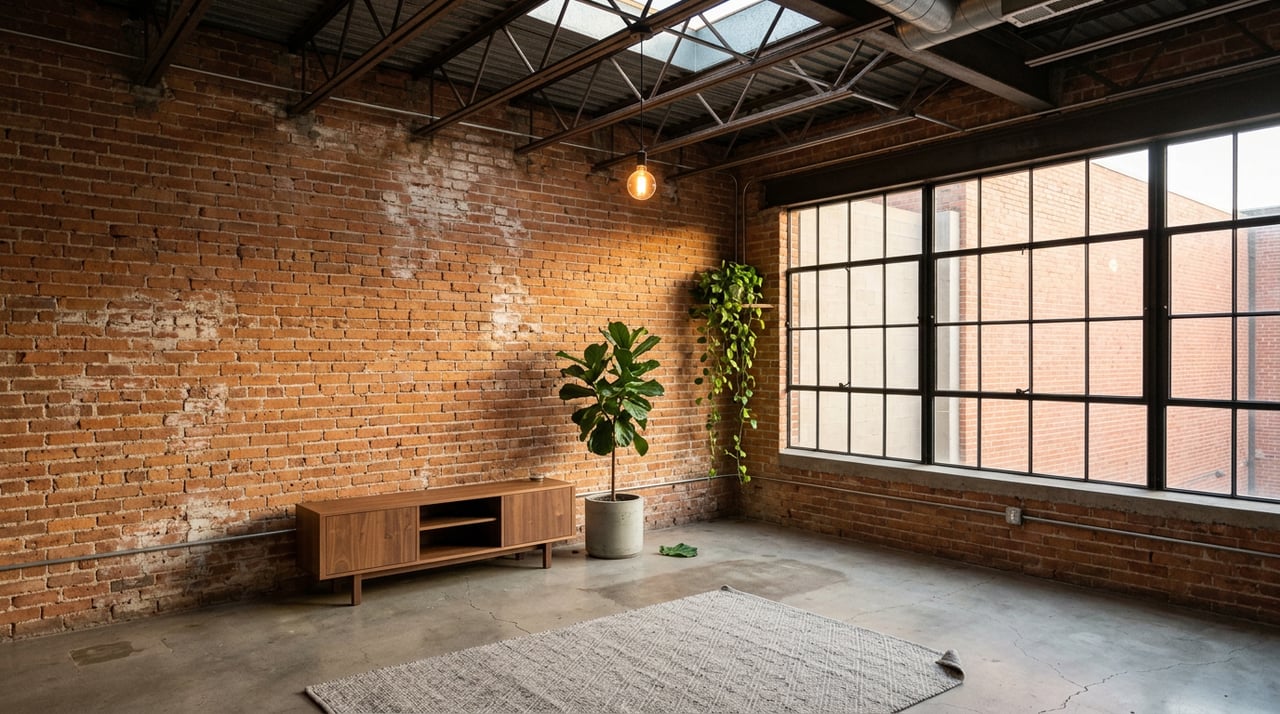
Crosstown Concourse had exactly one big night before this one. On August 19, 2017, after two years of construction and roughly $200 million spent turning a vacant Sears catalog warehouse into apartments, offices, and clinics, the building reopened with Memphis Mayor Jim Strickland and Shelby County Mayor Mark Luttrell in the room. The pitch back then was a "vertical urban village" anchored by arts, education, and healthcare. Church Health moved its entire operation into the tower. A charter high school moved in. A cancer treatment center moved in. Music was part of the mix through Crosstown Arts, but it was one program among many, not the identity.
Nine years later, the identity is shifting under its own momentum. Crosstown Arts already runs the Green Room and the 417-seat Crosstown Theater, a black box space built for film, live performance, and everything between. The Hi-Tone, an independent venue that predates the renovation, sits two blocks away and books live music close to nightly. Add a 1,300-capacity room with Live Nation's booking reach behind it, and the building that opened as a healthcare and education campus is becoming something its founders didn't originally sell it as: a live music neighborhood.
The scale difference matters more than the novelty. The Green Room and Theater handle the kind of night where 100 to 400 people show up for something specific: a jazz tribute, a listening room songwriter bill, a film screening with a director in the room. The Hi-Tone leans into a rougher, louder register that doesn't always need a big name to fill the room. Satellite Music Hall was built for a third tier entirely, the size of show that used to mean driving downtown or across the river.
Live Nation has committed to at least 100 shows a year at Satellite, spanning indie rock, folk, hip-hop, R&B, metal, and electronic acts. The opening slate gives a sense of what that range actually looks like:
Two of those six, Valerie June and Project Pat, have direct roots in the region. That is not incidental booking. It reads like a venue trying to root itself in the place it's opening rather than just parking a national tour route through Memphis for one night.
Before any of those six shows sell a ticket, Satellite is holding a community preview on September 2, with proceeds going to Stax Music Academy. It is a small detail with a specific meaning. A venue backed by the largest concert promoter in the country didn't have to open its doors to the neighborhood first. Choosing to do it anyway, and tying that first night to a Memphis music education institution rather than a corporate sponsor, signals how the venue wants to be read locally before it starts selling out shows to people driving in from the suburbs.
Crosstown Concourse CEO Todd Richardson put it plainly when the lineup was announced in May: "Satellite Music Hall is the high-quality venue Memphis has always deserved." Mayor Paul Young framed it in terms of what it does for the city rather than the building, calling it a stage that "will create a powerful new stage for the Memphis story."
The mistake would be treating Satellite as the thing that turns Crosstown into a music destination, as if nothing was happening there before. The Green Room's own calendar this August tells a different story. On the first of the month it hosted a songwriter bill with Cyrena Wages, Granville Automatic, Erin Webb, and Caleb Elliott. The next night brought a sound meditation performance built around didgeridoos, tuba, gongs, and kalimbas. Mid-month delivered a house music jam session, followed the next evening by a jazz tribute to Pat Martino and Pat Metheny featuring Gerard Harris. Late in the month, a Beatles tribute show sold out entirely.
That is five distinct, specifically booked nights in one calendar month, in one room, before Satellite Music Hall opens at all. The neighborhood wasn't waiting for a marquee venue to arrive and give it a reason to go out. It was already running a tight weekly rotation. What Satellite adds isn't the first note, it's a register the smaller rooms were never built to hit.
Meanwhile, Flip Side Memphis, the building's pinball pub, was working toward a reopening after a temporary closure earlier this year, which means the small-scale, walk-in nightlife that fills the gaps between ticketed shows has been coming back into the mix at the same time as the bigger venue takes shape.
The practical shift is about density of choice on any given night, not the arrival of a single big building. Before this year, a resident who wanted a real concert, not just a bar with a band, generally had two options within an easy walk: whatever the Green Room happened to have booked, or whatever was loud enough to hear from the Hi-Tone's door. Both are good options, but they're a narrow slice of what a live music calendar can offer.
With Satellite added to that stretch, the same two blocks now cover an intimate songwriter set, a rowdy independent rock show, and a 1,300-person national touring act, all without leaving a ten-minute walking radius. That's a different kind of neighborhood than the one that opened in 2017 with a hospital wing and a high school as its headline tenants. It's still those things. It's also become a place where checking three venues' calendars before deciding to stay in for the night is now a normal Tuesday habit, not a special occasion.
If you're already living in Midtown and watching this stretch of Watkins and North Parkway fill in around you, that kind of neighborhood texture is exactly the sort of thing worth knowing before it shows up in a market report. Mia Atkinson tracks these shifts across Memphis and the surrounding suburbs because they tend to say more about a place than a listing sheet ever will. If you're curious what a neighborhood like this means for your own plans, whenever that conversation makes sense, Book a Call.

With extensive market knowledge and a passion for finding dream homes, Mia is dedicated to delivering personalized solutions to meet your unique needs. Trust a top-ranked Real Estate Agent in the Memphis Region to guide you seamlessly through the real estate journey.
Let Mia know how she can assist you.

MIA ATKINSON
BROKERAGE ADDRESS
3401 MALLORY LN STE 100
FRANKLIN TN 37067