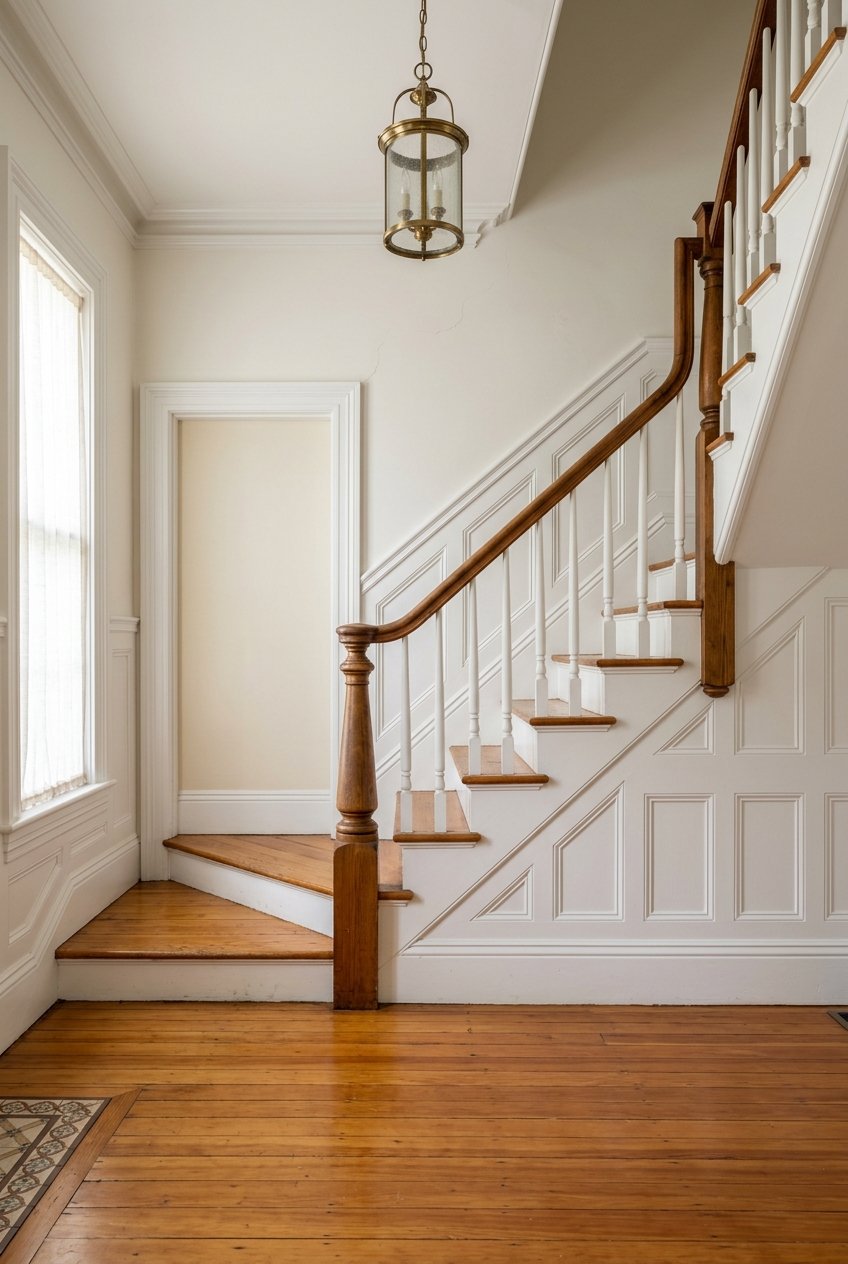
What Buyers Should Know About Historic Homes in Memphis
June 4, 2026
June 4, 2026
If you love the idea of original woodwork, classic brick, and architecture with real personality, buying a historic home in Memphis can feel exciting from the start. It can also come with questions that newer homes usually do not, especially around upkeep, local rules, and what “historic” actually means. This guide will help you understand how historic homes work in Memphis, what to watch for before you buy, and how to move forward with more confidence. Let’s dive in.
In Memphis, a historic home is not always one specific legal category. A house may simply be older, usually 50 years or more, and may be potentially eligible for historic recognition based on age, significance, and how much of its original character it still keeps.
A home may also be listed in a National Register district. That kind of recognition matters for history and preservation, but by itself it does not place restrictions on what a non-federal owner can do to the property.
The biggest practical difference for buyers is whether the home sits inside a City of Memphis Historic Overlay District. Local overlay districts can involve design review and Certificates of Appropriateness for certain types of work.
If you are buying a home in a local historic overlay district, you need to know that future changes may be reviewed by the city. Memphis documents show that projects such as exterior alterations, additions, site improvements, relocation, new construction, and demolition can require review.
That does not mean every repair turns into a major process. Ordinary maintenance is often exempt from certificate review, but larger visible changes may not be.
For you as a buyer, that means historic charm should be matched with due diligence. Before you close, it is smart to confirm whether the property is simply old, nationally recognized, or locally regulated.
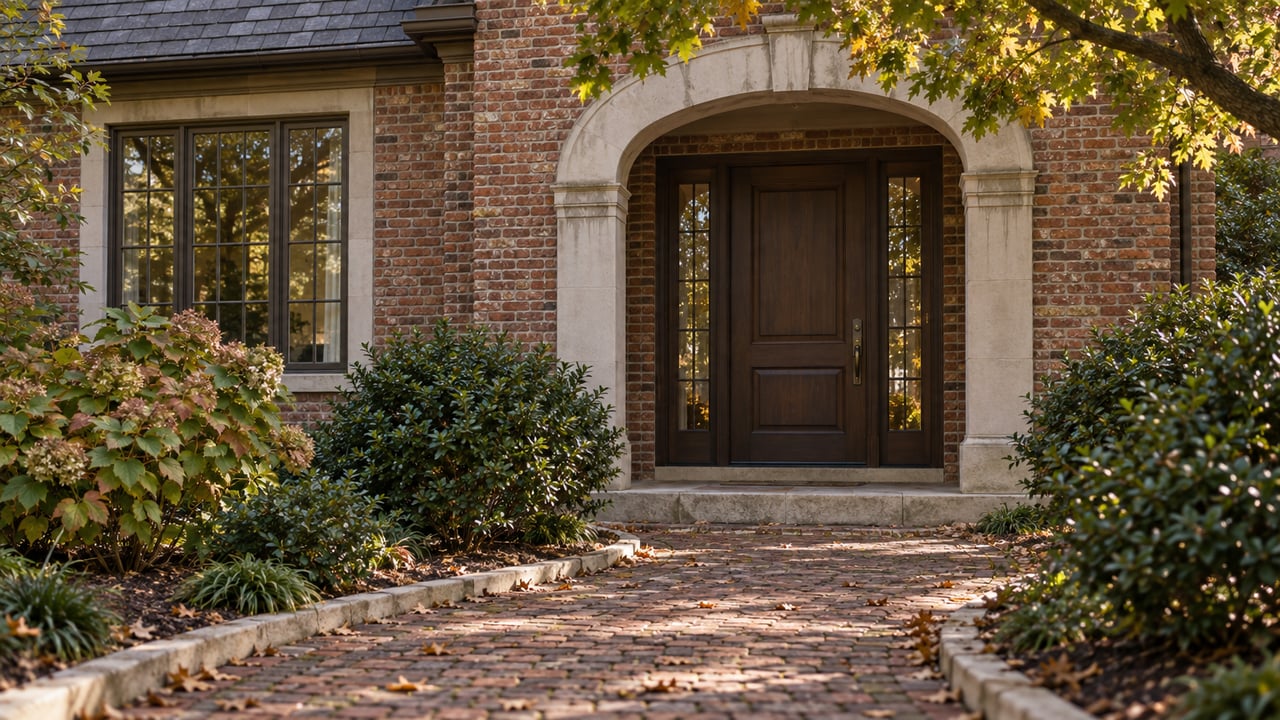
One of the best parts of buying a historic home in Memphis is the variety. Historic residential resources in the city span roughly 1865 to 1950 and include everything from shotguns and bungalows to four-squares and Tudor Revival homes.
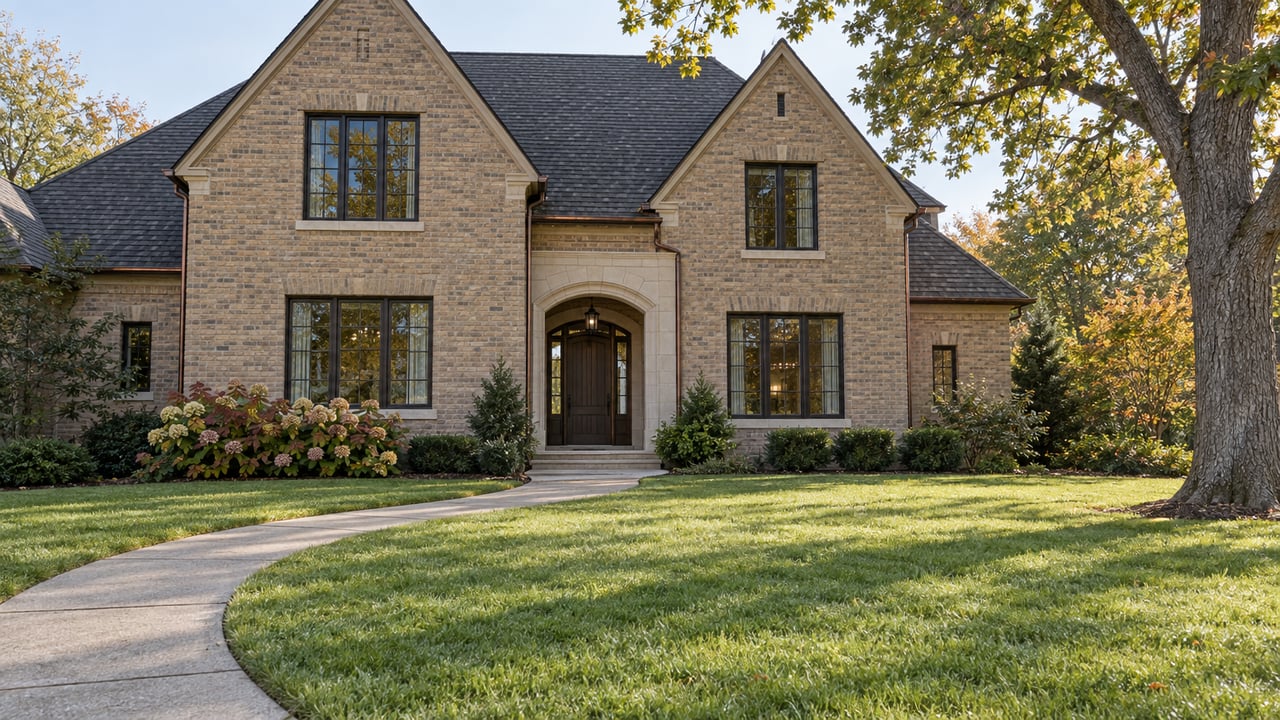
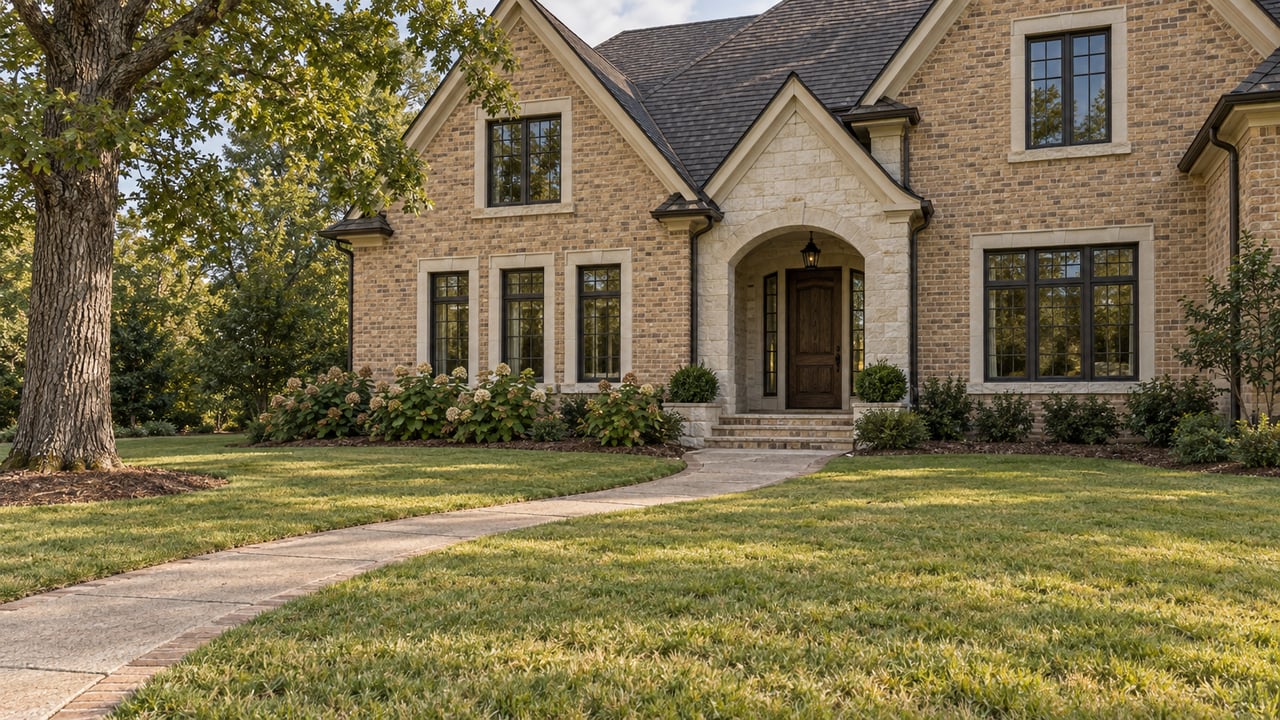
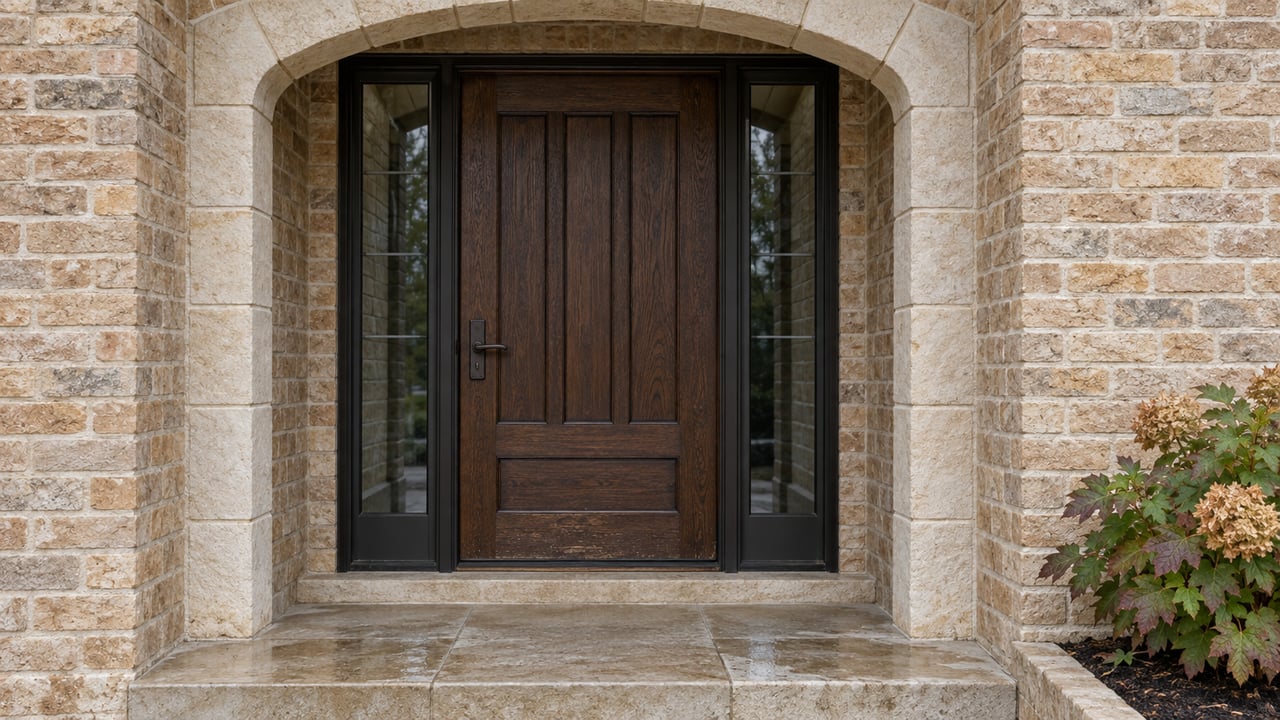
You may also see Queen Anne, Colonial Revival, Craftsman, English Cottage, and Minimal Traditional designs. Common materials include brick, wood or weatherboard, stucco, asphalt shingles, and concrete or cast stone.
That range matters because there is no single “Memphis historic home” look. Your inspection needs, maintenance plan, and future renovation options may vary a lot depending on the age, style, and materials of the house.
Several Memphis neighborhoods show just how diverse historic housing can be. These areas are often part of the conversation for buyers who want character, established streetscapes, and homes with architectural detail.
Central Gardens was built mainly from 1900 to 1930. The district includes styles such as Four Square, Bungalow, Queen Anne, Greek Revival, and Colonial Revival.
Cooper-Young developed from about 1880 to 1940. Homes here include Bungalow or Craftsman, Colonial Revival, and Queen Anne styles.
Memphis Heritage describes Cooper-Young as one of Midtown’s most popular neighborhoods. For buyers, that can mean strong interest in well-kept homes, especially when character and condition line up.
Glenview was built from 1908 to 1968. Its housing includes Colonial Revival, Tudor Revival, Spanish Colonial Revival, and Bungalow or Craftsman homes.
Memphis Heritage notes that renovations and new development have been spurring fresh interest in Glenview. That can make it a neighborhood worth watching if you want historic character and see value in an area with ongoing attention.
Vollintine Evergreen was built primarily from the early 1920s to the late 1930s. Buyers will find Bungalow or Craftsman, Colonial Revival, Tudor Revival, and Minimal Traditional homes in the district.
Historic homes can be wonderful to own, but they usually need a more careful evaluation than a newer property. Cosmetic charm should never distract you from the condition of the roof, drainage, windows, or masonry.
National Park Service preservation guidance highlights several areas that often matter most in older homes. In Memphis, buyers should pay close attention to:
Faulty roofs and gutters can allow water into places you do not want it. Moisture and condensation can slowly damage historic materials over time, which is one reason a detailed inspection is so important.
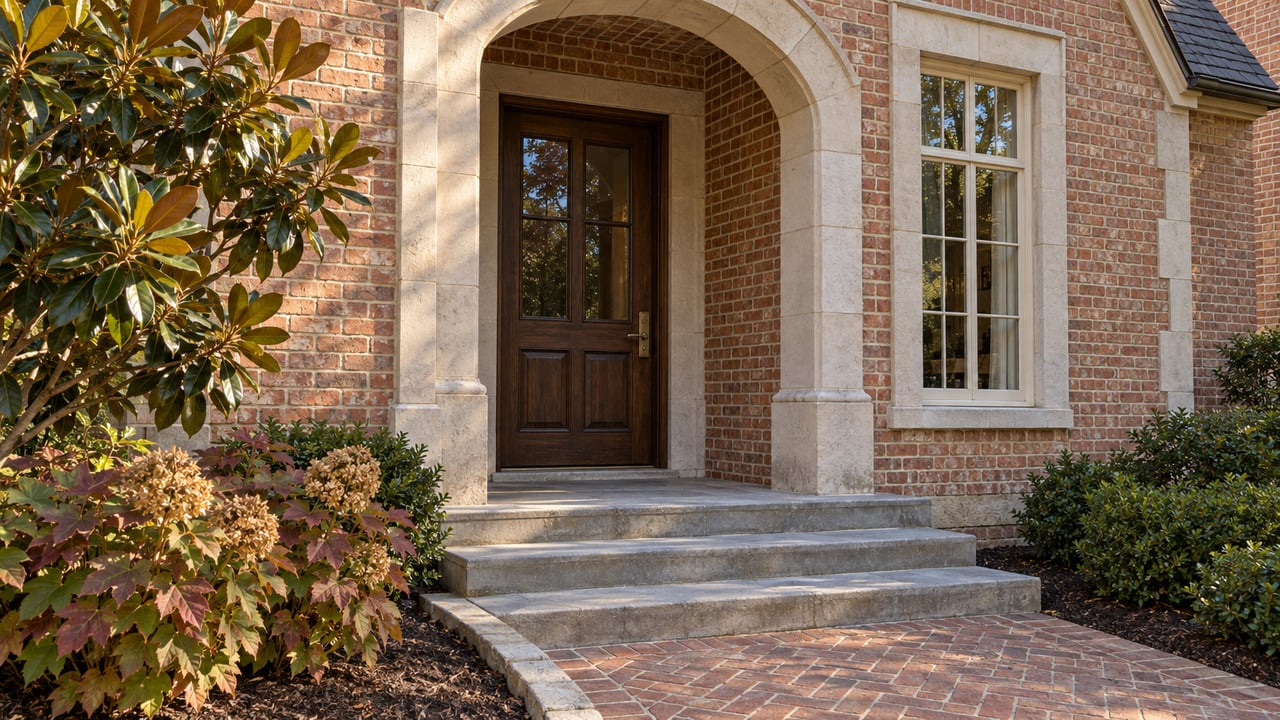
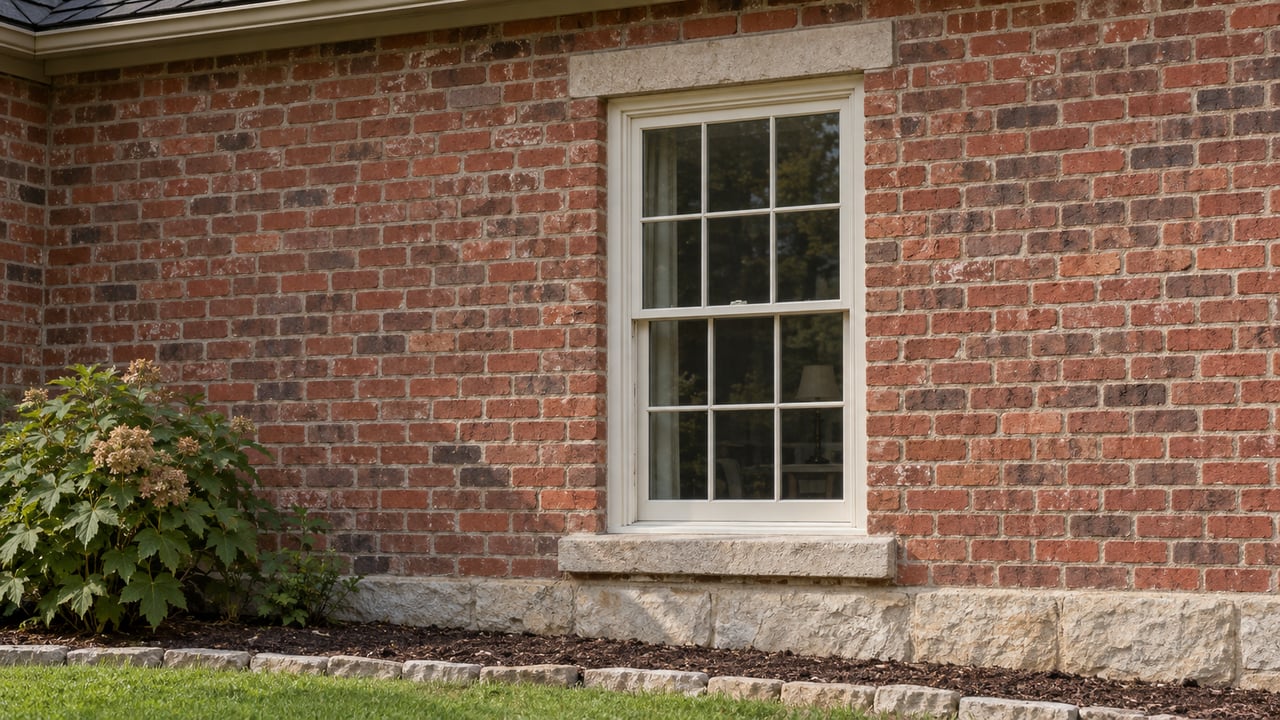
Masonry also deserves a close look. If brickwork has been repaired before, ask how it was done, since repointing older mortar joints should use appropriate methods for historic materials.
Windows are another common concern. Historic wood windows are often repairable and can last a very long time when maintained properly, so do not assume older windows automatically need full replacement.
If the home was built before 1978, lead-based paint should be part of your evaluation. That does not mean every older house is unsafe, but it does mean you should understand the risk before planning repairs or updates.
According to the CDC, homes built before 1978 may contain lead-based paint. The EPA also notes that renovation, repair, and painting work that disturbs old paint can create hazardous dust, which is why lead-safe work practices matter.
For buyers, the takeaway is simple. Ask whether the home predates 1978, factor possible lead-safe renovation costs into your budget, and think beyond the home’s current appearance.
One of the smartest steps you can take is to review the home’s paper trail before you buy. In Memphis, the city directs owners and applicants to Develop 901 for permits, zoning approvals, inspections, and pending Landmarks Commission cases.
That can help you learn whether there are open permits, whether prior work appears to have gone through the right channels, and whether future plans may trigger review. If the home is in a local historic district, this step becomes even more important.
It is also wise to verify the parcel using the city’s property lookup and zoning tools before closing. When you buy a historic home, you are not just buying the structure. You are also buying into the rules that may shape what you can do next.
Memphis code enforcement administers the International Property Maintenance Code as amended for the city. Unsafe structures can be condemned if repairs are not made.
That may sound extreme, but for buyers it reinforces an important point. Deferred maintenance in an older home is never just a cosmetic issue.
If a property shows signs of serious neglect, your inspection period is the time to get clear on the cost and scope of repairs. Character is valuable, but condition still drives the real ownership experience.
Recent Memphis-area data suggests a market that is active, but not unusually fast. MAAR reported that in April 2026, home sales were down 5.0 percent year over year, inventory was up 6.3 percent to 4,689 units, the average sales price was $275,263, and average days on market was 60.
In March 2026, MAAR reported average days on market of 67 and a median sales price of $223,000. Redfin’s Memphis city page showed a March 2026 median sale price of $210,000, up 14.4 percent from the prior year.
For historic homes, the bigger story is often location and condition rather than a blanket premium. Well-kept, updated homes in desirable historic districts may attract strong interest, while homes needing significant systems work or exterior review may be priced more cautiously.
In Memphis, buying a historic home is usually best approached as a two-part analysis. First, evaluate the house itself. Second, evaluate the rules around it.
Here is a practical checklist to keep in mind:
This process helps you balance emotion with strategy. You can still fall in love with the details, but you will do it with a clearer view of the responsibilities that come with them.
A historic home in Memphis can offer craftsmanship, architecture, and personality that are hard to find in newer construction. The key is knowing what you are buying before you commit.
When you understand the difference between historic recognition and local regulation, inspect the right systems, and review city records early, you put yourself in a much stronger position. If you are thinking about buying in Memphis and want guidance that is clear, responsive, and local, connect with Mia Atkinson for expert help navigating the process.
With extensive market knowledge and a passion for finding dream homes, Mia is dedicated to delivering personalized solutions to meet your unique needs. Trust a top-ranked Real Estate Agent in the Memphis Region to guide you seamlessly through the real estate journey.
Let Mia know how she can assist you.

MIA ATKINSON
BROKERAGE ADDRESS
3401 MALLORY LN STE 100
FRANKLIN TN 37067