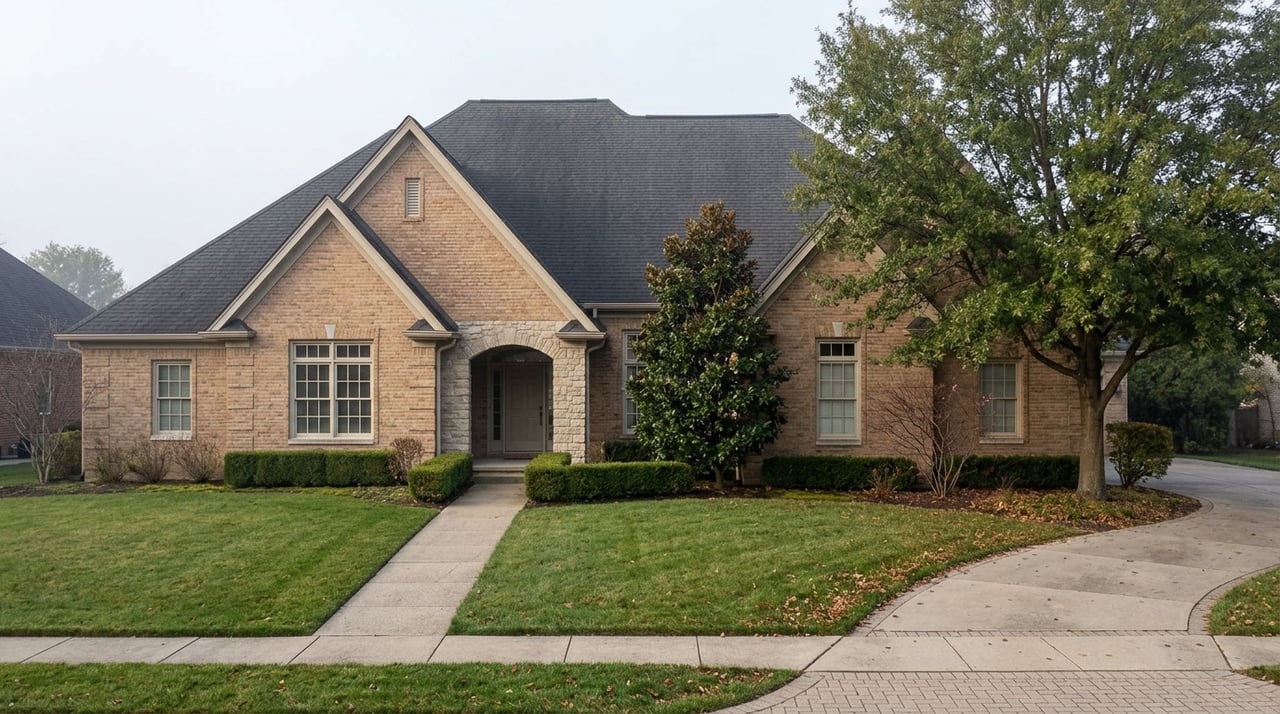
Germantown Sidewalk Inspections: What Sellers Need to Know
September 24, 2026
September 24, 2026
Every single-family home sale in Germantown that involves a lot with a public sidewalk out front has to clear a city inspection before the deed can transfer. The rule is still active today. Because this is a city requirement, it may not be covered by a buyer's home inspection, so sellers can discuss it with their agent early in the process. If repairs are required, the city specifies a commercial-grade product that is not typically stocked at neighborhood hardware stores.
This is not a curb appeal ordinance. Before the house behind it changes hands, the city wants documented proof of the sidewalk's condition.
The requirement lives in Chapter 16 of Germantown's Code of Ordinances, covering streets, sidewalks, and other public places. In practice, it breaks down into a short sequence:
That last step means the permit process may require more than one visit. The sequence is inspect, repair, reinspect, in that order, and each step depends on the one before it finishing first, so it is useful to include the full process in the listing timeline.
Not every Germantown sale triggers the requirement. The city's own guidance draws a clear line:
| Property Type | Sidewalk Permit Required |
|---|---|
| Single-family home with a sidewalk | Yes |
| Single-family home with no sidewalk | No |
| Condominium sale | No |
If your lot has no sidewalk, or you are selling a condo, the process does not apply at all. For everyone else, and that covers a large share of Germantown's established neighborhoods closer to the center of the city, the inspection is not optional and does not depend on how the sidewalk looks to you when you walk out your front door.
Most homeowners assume a cracked sidewalk panel is a weekend fix. Grab a bag of concrete patch, smooth it in, done. That instinct is where the timeline problem starts, because the material the city requires is not the same as what is stocked at a typical retail store. MasterSeal NP1 is a commercial-grade product, and sourcing it usually means a call to a contractor or a specialty supplier rather than a stop at a big box store on the way home from showing the house next door.
That single sourcing step is often what stretches a fix from a weekend into a week or more, especially if a seller does not find out about the requirement until repairs are already flagged and a closing date is sitting on the calendar. The inspection itself takes an afternoon. Finding the right caulk, getting it applied correctly, and waiting for a second city visit to confirm the repair is what actually eats time.
The city's own guidance recommends applying for the sidewalk permit before a home goes on the market, and the reasoning holds up once you see how the sequence actually plays out:
Sellers who follow that order treat the sidewalk permit as a pre-listing task. Sellers who do not tend to discover it mid-contract, usually because a title company or attorney asks whether it has been completed, and by then the clock is already running against a closing date that assumed none of this existed.
The sidewalk permit is handled at the city level. It is separate from the buyer's home inspection and title search, and most purchase agreements do not reference it directly, so it is helpful to track it alongside the usual contract milestones. The Memphis Area Association of Realtors circulated guidance to its membership when the ordinance took effect, providing agents with information about the process.
For a seller, the practical takeaway is simple: confirm the city's sidewalk permit requirements early, since the process is separate from the title search and purchase agreement. Completing it ahead of time can help keep the inspection and any repairs from affecting the closing schedule.
Does this apply if I'm selling a condo? No. The city's guidance exempts condominium sales from the sidewalk permit and inspection requirement entirely.
What if my house doesn't have a sidewalk in front of it? Also exempt. The requirement only applies to properties with a public sidewalk fronting the lot.
Can I patch a cracked panel myself before the inspector comes out? Only if the repair uses the approved material. Standard consumer concrete patch from a typical retail store does not meet the city's specification, which calls for a commercial-grade product.
When should I actually start this process? Before you list, according to the city's own recommendation. The inspect, repair, reinspect sequence takes more than one visit, and starting early keeps it off your contract timeline entirely.
Who do I contact with questions? Germantown's Code Compliance Office, at 901-757-7281.
The process is straightforward when it is included in the listing timeline. Starting before a contract is signed allows time for the inspection, any necessary repairs, and the city's reinspection. If you are thinking about listing a home in Germantown and want help understanding these steps, Mia Atkinson can walk you through exactly what your property needs before it ever hits the market. Book a call and let's get the small stuff handled early, so the big stuff closes on time.
This article is general information, not legal, tax or financial advice. Consult a qualified professional about your situation.

With extensive market knowledge and a passion for finding dream homes, Mia is dedicated to delivering personalized solutions to meet your unique needs. Trust a top-ranked Real Estate Agent in the Memphis Region to guide you seamlessly through the real estate journey.
Let Mia know how she can assist you.

MIA ATKINSON
BROKERAGE ADDRESS
3401 MALLORY LN STE 100
FRANKLIN TN 37067