What Septic Bedroom Count Means for Eads, TN Home Buyers
August 20, 2026
August 20, 2026
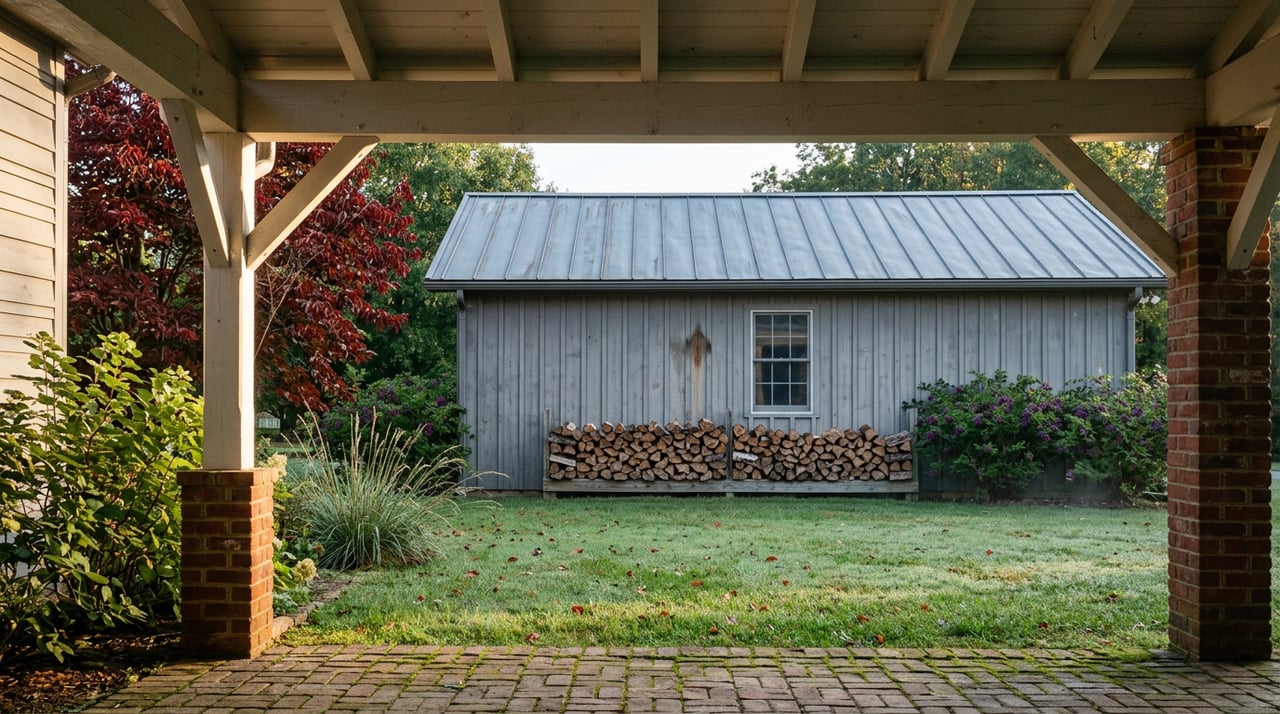
A buyer walks through a five bedroom listing in Eads, falls for the wraparound porch and the pole barn out back, and starts mentally arranging furniture for a family of six. During due diligence, the septic permit surfaces and shows that the system serving the house was only ever designed for three bedrooms. The house has five. The septic field has three. That gap is not a rumor or a worst case scenario. It is precisely the kind of mismatch the disclosure process is meant to bring to light.
Here is the number that should matter more than the one on the listing sheet: how many bedrooms the septic permit was actually approved for. In Eads, where most homes sit on acreage without access to a municipal sewer line, that permitted number, not the floor plan, sets the real ceiling on how a house can be used, financed, and eventually resold.
Tennessee sizes septic systems by bedroom count, not bathroom count. The logic is straightforward. Bedrooms are a rough proxy for how many people will actually live in the house and generate waste through showers, laundry, and dishwashers. A septic tank holds solid waste while liquid drains out into field lines buried in gravel trenches, and the number of those field lines is what the whole system was engineered around. One field line per bedroom is typical, though soil conditions on a given parcel can push that number higher.
That engineering decision becomes a legal one the moment a house goes to market.
The physics do not care whether the house is new or forty years old. If a previous owner finished a bonus room, converted a detached garage into a guest suite, or added a fourth bedroom without ever amending the septic permit, the field lines underneath the yard are still doing the same job they were designed to do decades ago. The listing description can say whatever the current owner wants it to say. The ground cannot be talked into holding more wastewater than it was built for.
Tenn. Code Ann. § 66-5-212 requires sellers to put specific septic-adjacent facts in writing: any known exterior injection well on the property, any known sinkholes, and the results of any percolation test or soil absorption rate that was ever performed and accepted by the state. Those disclosures exist because the seller usually knows more about the system's history than a buyer ever could from a walkthrough.
Germantown and Collierville homes mostly tie into municipal sewer. Eads does not work that way. It is unincorporated, straddles the line between Shelby and Fayette counties, and the housing stock ranges from 1970s ranch homes on thirty acres to new custom builds on five. Almost none of it connects to a public sewer system. That means the septic field is not a backup system here. It is the only system, and it was sized once, years or decades ago, for whatever the house looked like at that time.
Acreage also invites additions in a way a quarter acre subdivision lot does not. A finished basement, a converted barn apartment, a bonus room turned into a fifth bedroom: all of it is easier to build when nobody is worried about a lot line, and all of it can quietly outrun a septic permit that was never updated to match.
A standard septic inspection checks the visible pieces: the tank, the access lid, whether the ground over the drain field is unusually soft or lush, whether there is any odor or standing water. All of that is worth doing, and it typically runs three hundred to six hundred dollars, with a similar range for documentation showing the tank was recently pumped.
What a walkthrough inspection cannot always catch is a system that has simply never been pushed. If the current owner is a retired couple using two of the house's five bedrooms, a system rated for three bedrooms can look completely healthy for years. The stress that would reveal a problem, a larger household running more loads of laundry and more dishwasher cycles through the same field lines, has not happened yet. That is the quiet risk in buying a septic-served home in Eads: the system's clean bill of health during your inspection period may reflect how lightly it has been used, not how much capacity it actually has.
The fix is not a more expensive inspection. It is asking for the actual permit. The septic permit and any accompanying inspection letter will state, in writing, how many bedrooms the system was designed to serve. That document, not a walkthrough, is the only reliable way to know whether the house you are buying matches the system underneath it.
Because the Shelby and Fayette county line runs directly through Eads, the process of pulling that septic permit depends on which side of the line the property sits. Shelby County administers its own septic program rather than routing through the state. Fayette County works differently: septic installations and modifications there go through the Fayette County Health Department. The department's Septic Systems page says applicants must complete an application form and pay a filing fee to have a septic system installed.
For a buyer, this is not trivia. It means the phone call to request septic records is a different phone call depending on the property's address, and assuming the process is identical on both sides of the line is a good way to lose a week during your due diligence period. If your agent or attorney does not know which office holds the file for a specific Eads parcel, find out before your inspection contingency clock starts running, not after.
What if the county has no septic record on file for an older Eads property? It happens, particularly on homes built decades before either county's current filing systems existed. In that case, the number of bedrooms the system was originally approved for is effectively unknown, and a current inspection becomes even more important since there is no paper trail to fall back on.
Does a passing septic inspection mean the system can handle my family, even if it is bigger than the current household? Not necessarily. An inspection tells you the system is functioning under its current usage pattern. It does not tell you whether that pattern matches what you plan to do with the house. The permit's bedroom rating, compared honestly against your own household size, is the better predictor of long term performance.
Buying or selling acreage in Eads comes with real advantages: privacy, space, and a slower pace that a subdivision cannot offer. It also comes with paperwork that a subdivision buyer never has to think about. If you are weighing a septic-served property here and want someone who will pull the actual permit before you fall in love with the floor plan, Mia Atkinson is ready to walk through it with you. Book a call and let's find out exactly what that field line was built to handle.
This article is general information, not legal, tax or financial advice. Consult a qualified professional about your situation.



With extensive market knowledge and a passion for finding dream homes, Mia is dedicated to delivering personalized solutions to meet your unique needs. Trust a top-ranked Real Estate Agent in the Memphis Region to guide you seamlessly through the real estate journey.
Let Mia know how she can assist you.

MIA ATKINSON
BROKERAGE ADDRESS
3401 MALLORY LN STE 100
FRANKLIN TN 37067