Discover the Bartlett TN Neighborhood & Lifestyle
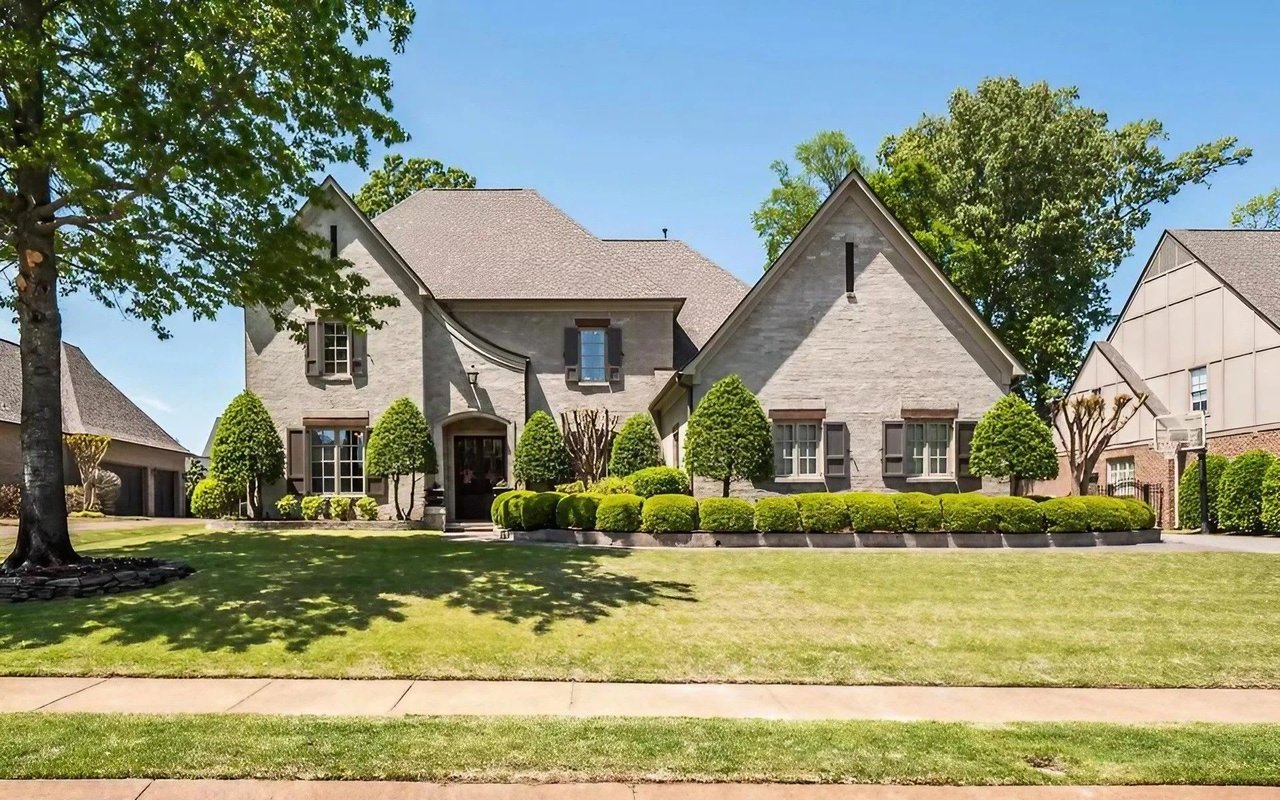
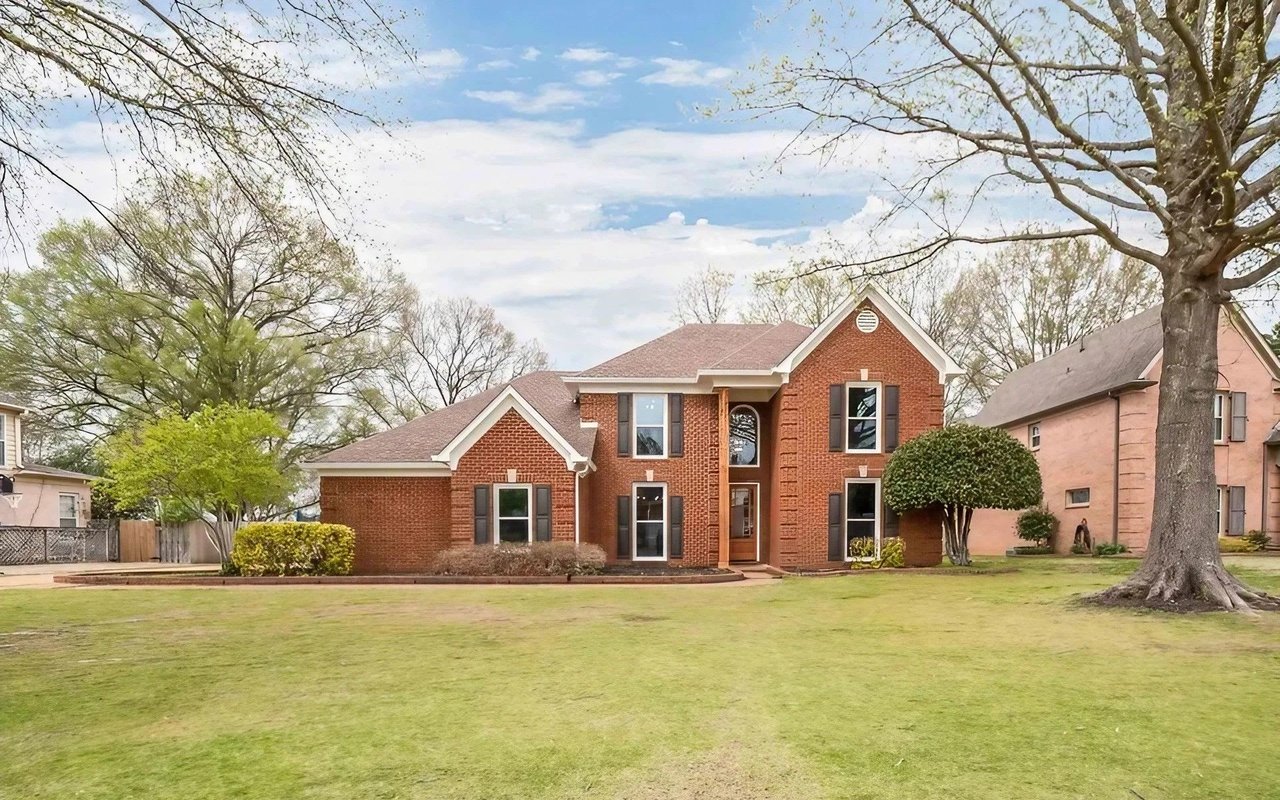
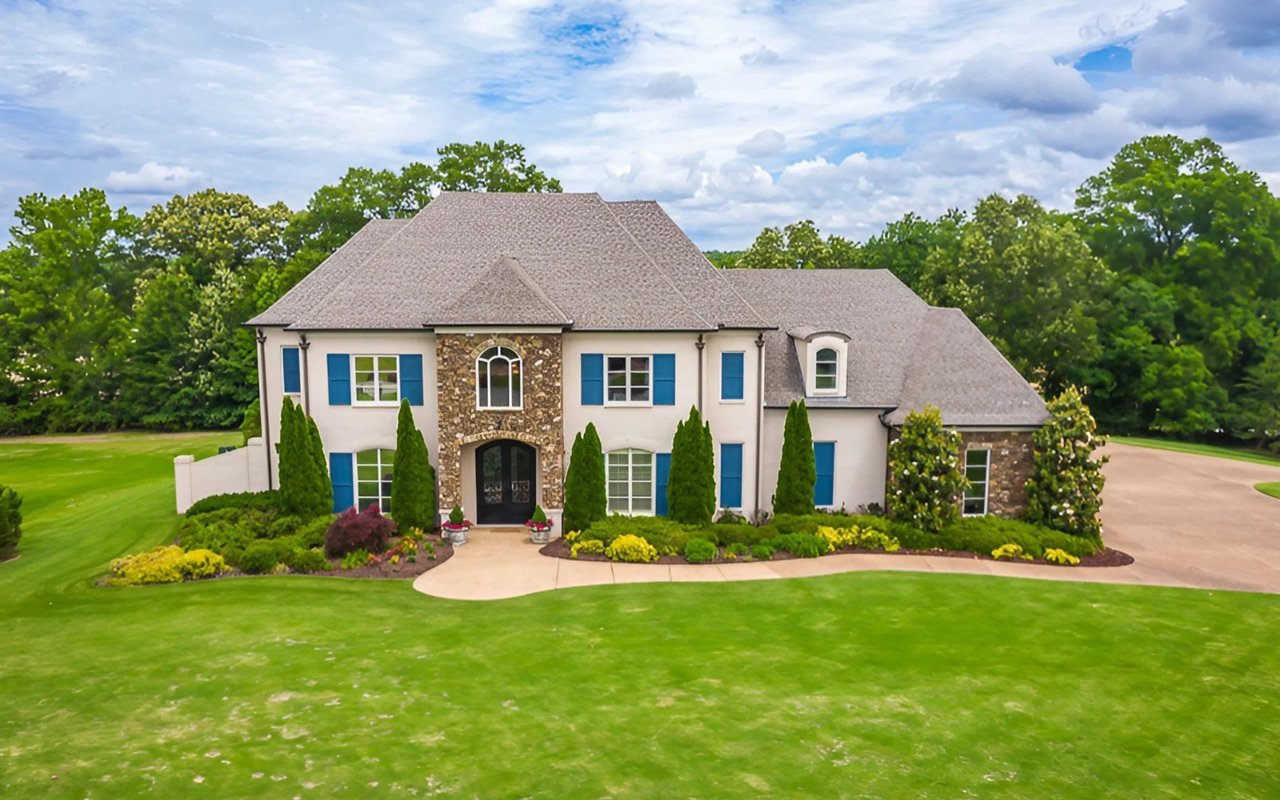
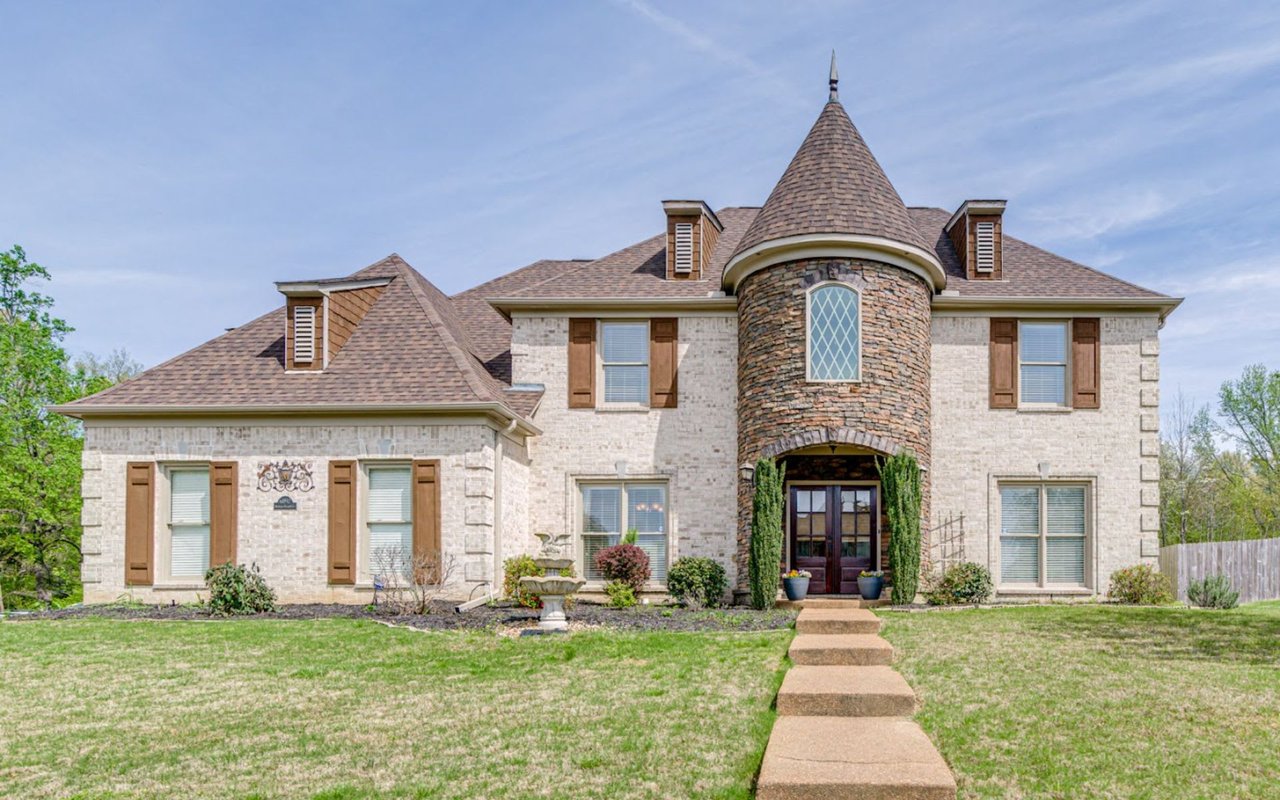
Bartlett is the largest suburban city in the Memphis metropolitan area, with roughly 57,000 residents spread across about 32.6 square miles of central Shelby County. That size matters more than it sounds. Bartlett is big enough to run its own school district, its own water utility, and its own park system, but it still reads like a town rather than a city extension — mature tree canopies, quarter-acre yards, brick facades, and streets that were laid out with room to breathe.
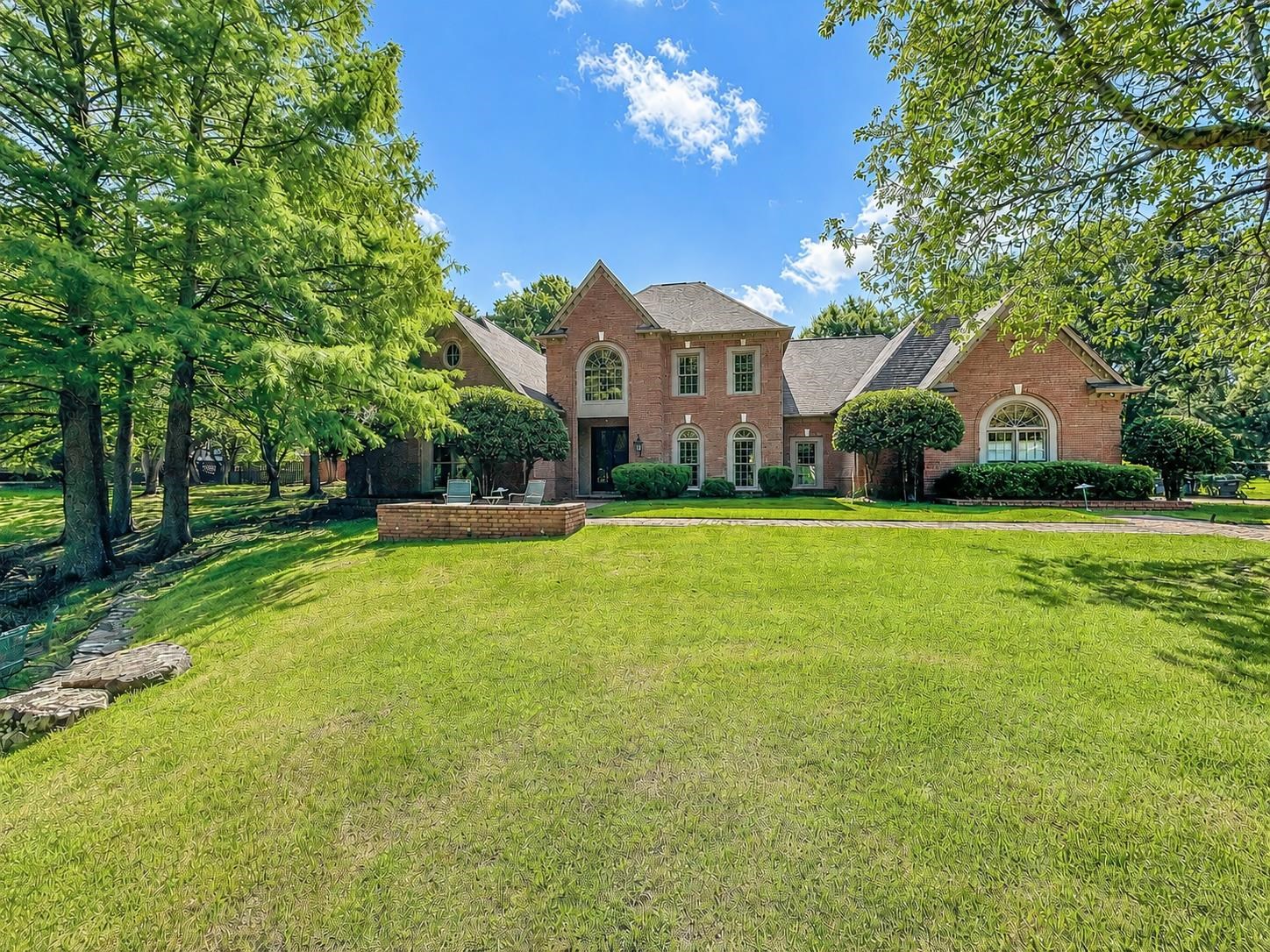
What people notice first when they tour here is the value equation. A move-in ready four-bedroom brick home that would clear $500,000 in Germantown or Collierville often lands in the $300,000s in Bartlett, with a highly rated municipal school district attached. That's the core of Bartlett's appeal: established suburban living with independent civic infrastructure, priced below the metro's marquee suburbs.
The tradeoff is honesty about what Bartlett is not. It's a car-dependent suburb. Aside from Historic Bartlett Station and the newer Union Depot village, you won't walk to dinner. Buyers who want that should look elsewhere in the metro. Buyers who want space, schools, and a manageable commute usually find Bartlett hard to beat.
Bartlett sits directly northeast of Memphis at roughly 35.23° N, 89.82° W, occupying the geographic center of Shelby County. Downtown Memphis is about 13 miles southwest — a 20 to 25 minute drive via I-40 or Highway 70/79.
The city's borders tell you a lot about its position in the metro:
That last point is worth dwelling on. Bartlett residents get Shelby Farms — one of the largest urban parks in the United States — as an effective neighborhood amenity without paying for it in their property tax bill.
Highway access at a glance:
Route | Where it takes you |
|---|---|
I-40 | Downtown Memphis west; Arlington, Jackson, and BlueOval City east |
US-64 (Stage Road) | Bartlett's primary east–west commercial corridor |
US-70/79 (Summer Ave) | Direct run into Midtown and Downtown Memphis |
TN-14 (Austin Peay Hwy) | North toward Millington, south into North Memphis |
Bartlett began as a waystation. Around 1829, the settlement formed as Union Depot — the last significant stop in West Tennessee on the stagecoach line running from Nashville toward Memphis. When the Memphis & Ohio Railroad displaced the stage lines, the depot became a rail stop surrounded by cotton plantations.
The village incorporated in 1866 with fewer than 100 residents and took the name of Major Gabriel M. Bartlett, a local planter whose estate stood where Bartlett Station Plaza sits today. For the next century, it stayed agricultural.
The transformation came in the 1970s, when the Memphis metro began expanding eastward in earnest. Bartlett grew fast but grew deliberately — annexing, planning, and building out municipal systems rather than simply absorbing sprawl. The result is a city with its own school district (established 1914 in earlier form, independent again since 2014), its own water utility, and more than 20 parks.
For buyers, this history shows up in the housing stock. You can walk 19th-century streets near Stage Road, then drive ten minutes to a 1990s brick subdivision, then another ten to new construction — three distinct eras of Bartlett within one city limit.
Bartlett is not one market. Price, lot size, and architecture shift noticeably as you move from the Memphis border eastward.
Historic Bartlett Station / Old Town is the original center near Stage Road, where 19th-century homes — including the 1871 Nicholas Gotten House — sit alongside independent businesses and civic buildings. It's the closest thing Bartlett has to a walkable core.
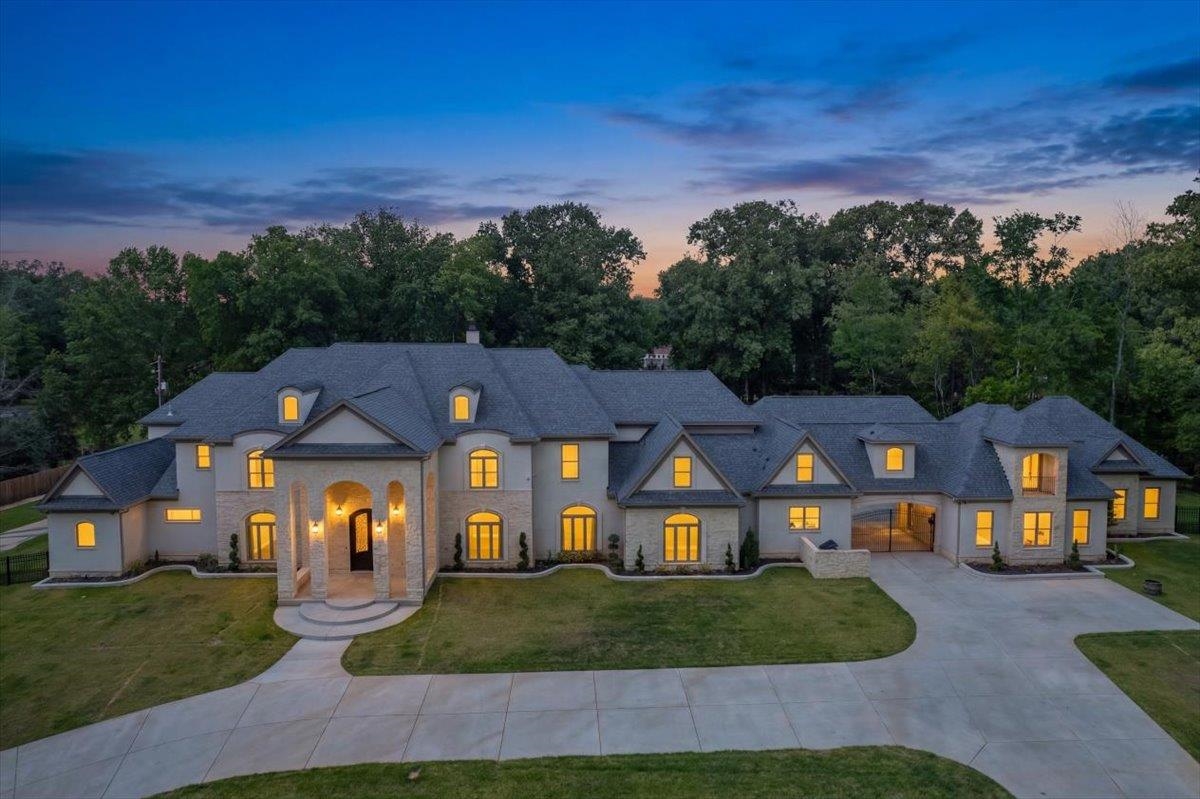
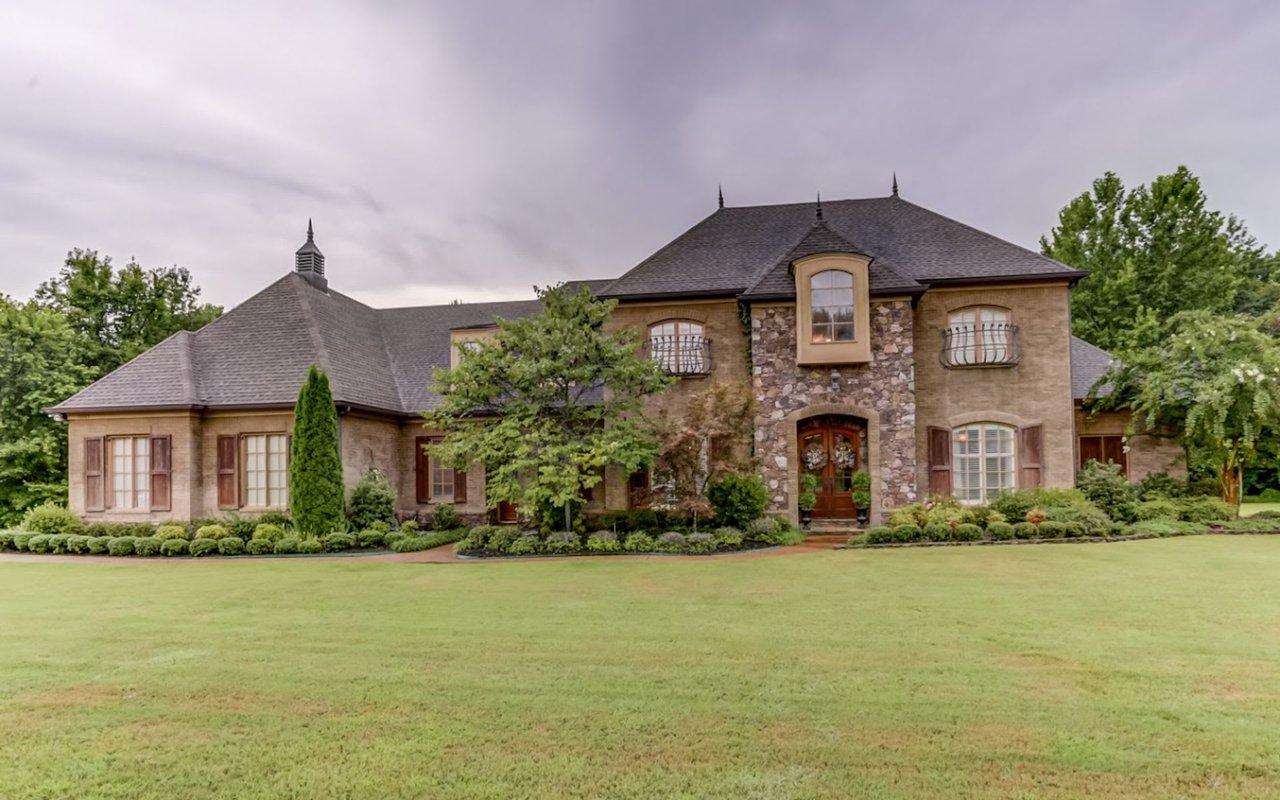
Davies Plantation and Davieshire, on the east side near Davies Manor (the oldest brick home in Shelby County), are where Bartlett's larger custom homes live. Multi-acre wooded lots, rolling topography, and 3,500-plus square foot builds. This is the top of Bartlett's price range.
Ellendale sits on the north side — formerly unincorporated, now suburban, known for oversized lots, mature oaks, and quiet streets that predate most modern subdivision layouts.
Quail Ridge is built around the public Quail Ridge Golf Course and remains one of Bartlett's most requested neighborhoods: mid-to-large single-family homes, established HOA amenities, rolling greenways.
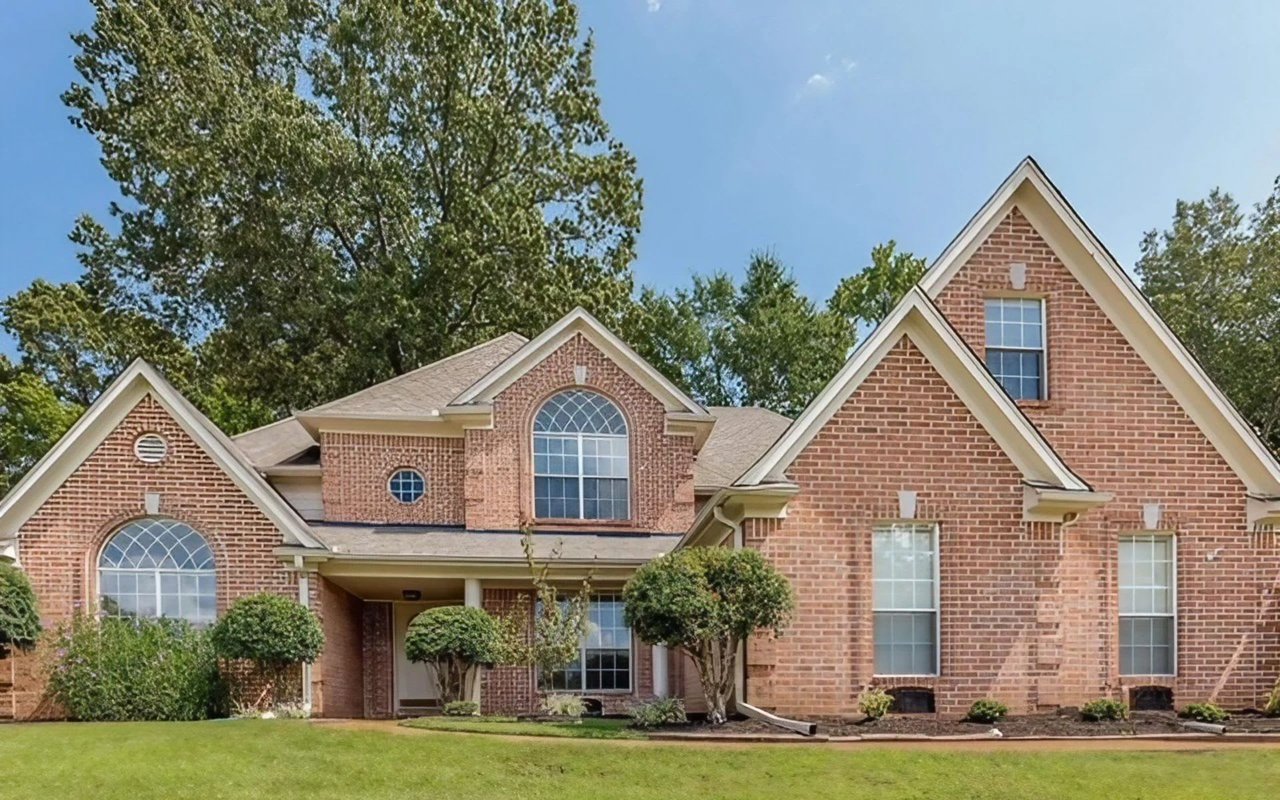
Blackwell Farms and St. Michaels deliver the Bartlett archetype — brick traditional homes on quiet cul-de-sacs with short drives to Bartlett City Schools campuses.
Easy Way and Scenic Hills sit closer to the Memphis line and skew earlier: split-levels, ranch homes, tree-lined avenues, and the most accessible pricing in the city.
Union Depot is Bartlett's flagship new development, built on the former Tennessee Baptist Children's Home site and named for the city's original identity. It mixes single-family homes, townhouses, luxury flats, walkable retail, and public green space — the one place in Bartlett where you can genuinely live without driving for every errand.
Daybreak and the Countrywood fringe run along the eastern corridor near Highway 64, with early-2000s and contemporary construction that appeals to commuters pointed toward Arlington or BlueOval City.
The median sale price in Bartlett runs roughly $330,000 to $335,000, with price per square foot averaging around $155 to $160. That figure is the single most useful number for understanding this market, because it sits meaningfully below Germantown and Collierville while the school district quality does not.
Range | What it typically buys | Where to look |
|---|---|---|
Under $275,000 | Starter homes, condos, townhomes, older 3-bedroom ranches needing cosmetic updates | West Bartlett, Scenic Hills fringe |
$275,000 – $400,000 | The core of the market. Move-in ready 3–4 bedroom brick traditionals, 1,800–2,600 sq ft | Stage Road corridor, Blackwell Farms, Quail Ridge |
$400,000 – $550,000+ | Newer construction, 4–5 bedroom layouts at 3,000+ sq ft, custom builds on mature lots | Davies Plantation, Brunswick area, newer eastern subdivisions |
A practical note from working this market: the $275,000 to $400,000 band is where competition is real. Well-updated homes in that range near strong elementary zones move quickly, and buyers who wait for a second showing frequently lose them. Above $450,000, the pace is noticeably calmer and there's room to negotiate.
Bartlett is served by Bartlett City Schools (BCS), an independent municipal district formed in 2014 when it separated from the county system. BCS consistently ranks among the stronger districts in Shelby County and West Tennessee — and for many buyers, it's the reason Bartlett makes the shortlist at all.
The district runs 11 campuses serving roughly 8,500 students:
Private and parochial options are close at hand as well. St. Ann Catholic School (Pre-K–8) is in the heart of Bartlett, Macon Road Baptist School offers Pre-K through 12 as a Christian college-prep academy, and First Assembly Christian School sits just over the line in Cordova.
If school zoning is driving your search, verify the assignment address by address. Bartlett's boundaries were drawn around neighborhoods that grew at different times, and two homes on the same street can occasionally feed different elementary campuses.
Bartlett's central county position makes it one of the metro's more flexible commuter bases — you're not locked into a single direction.
MATA operates outer suburban routes linking Bartlett hubs like Stage Road to central Memphis transfer centers, though transit here supplements a car rather than replaces one. For regional travel, immediate access to I-40, I-240, and nearby I-55 puts Nashville, Little Rock, and St. Louis within straightforward reach.
Bartlett's Parks and Recreation Department manages more than 20 parks, greenways, and facilities across hundreds of acres. This is one of the areas where the city's independent municipal structure pays off visibly.
W.J. Freeman Park is the flagship — nearly 90 acres of sports fields, walking trails, pavilions, playgrounds, and event grounds. It hosts the Bartlett Station Farmers Market and the city's largest annual festival.
Bobby K. Flaherty Municipal Center functions as Bartlett's civic and recreation campus. It houses the Bartlett Recreation Center with indoor pools, a gymnasium, and racquetball courts; the Bartlett Performing Arts and Conference Center (BPACC); tennis courts; and a 1.5-mile fitness trail circling Appling Lake.
Blue Lagoon Park covers 157 acres with an eight-tenths-mile walking trail, a lake, and a certified Level 1 Arboretum showcasing native West Tennessee tree species.
Fletcher Creek Greenway is a multi-phase paved trail running alongside the creek — the everyday walking and cycling route for a good portion of the city.
And then there's Shelby Farms Park just past the southern border: 4,500 acres with the paved Shelby Farms Greenline, disc golf, horse stables, kayak rentals on Patriot Lake, and off-leash dog parks. Buyers routinely underestimate how much this matters until they've lived nearby for a season.
Bartlett handles the practical side of suburban life well, largely because it has two distinct retail personalities.
Stage Road (US-64) is the main commercial artery — national chains, grocery anchors including Kroger and Sprouts, home improvement stores, and the strip centers that cover everyday needs. It's not scenic, but it means most errands are a five-to-ten-minute drive.
The Wolfchase area sits on Bartlett's eastern edge where I-40 meets Highway 64. Wolfchase Galleria brings a full indoor mall plus the surrounding big-box cluster — Target, Costco, Lowe's, with IKEA nearby. Functionally, Bartlett residents get regional-scale shopping without regional-scale drive times.
Historic Bartlett Station Plaza is the counterweight: the civic heart of Old Town, with local service shops, independent boutiques, specialty repair, and walkable municipal services.
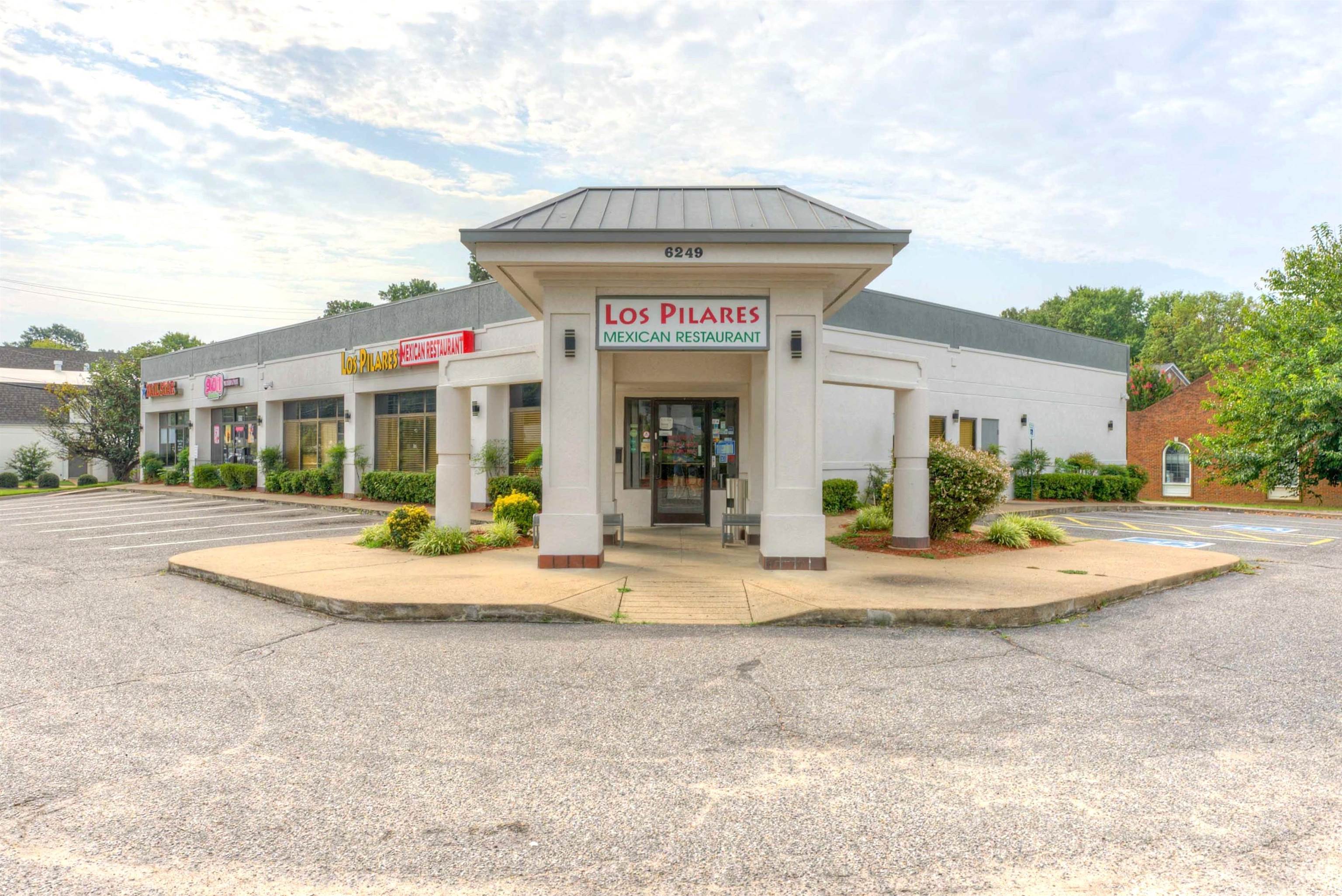
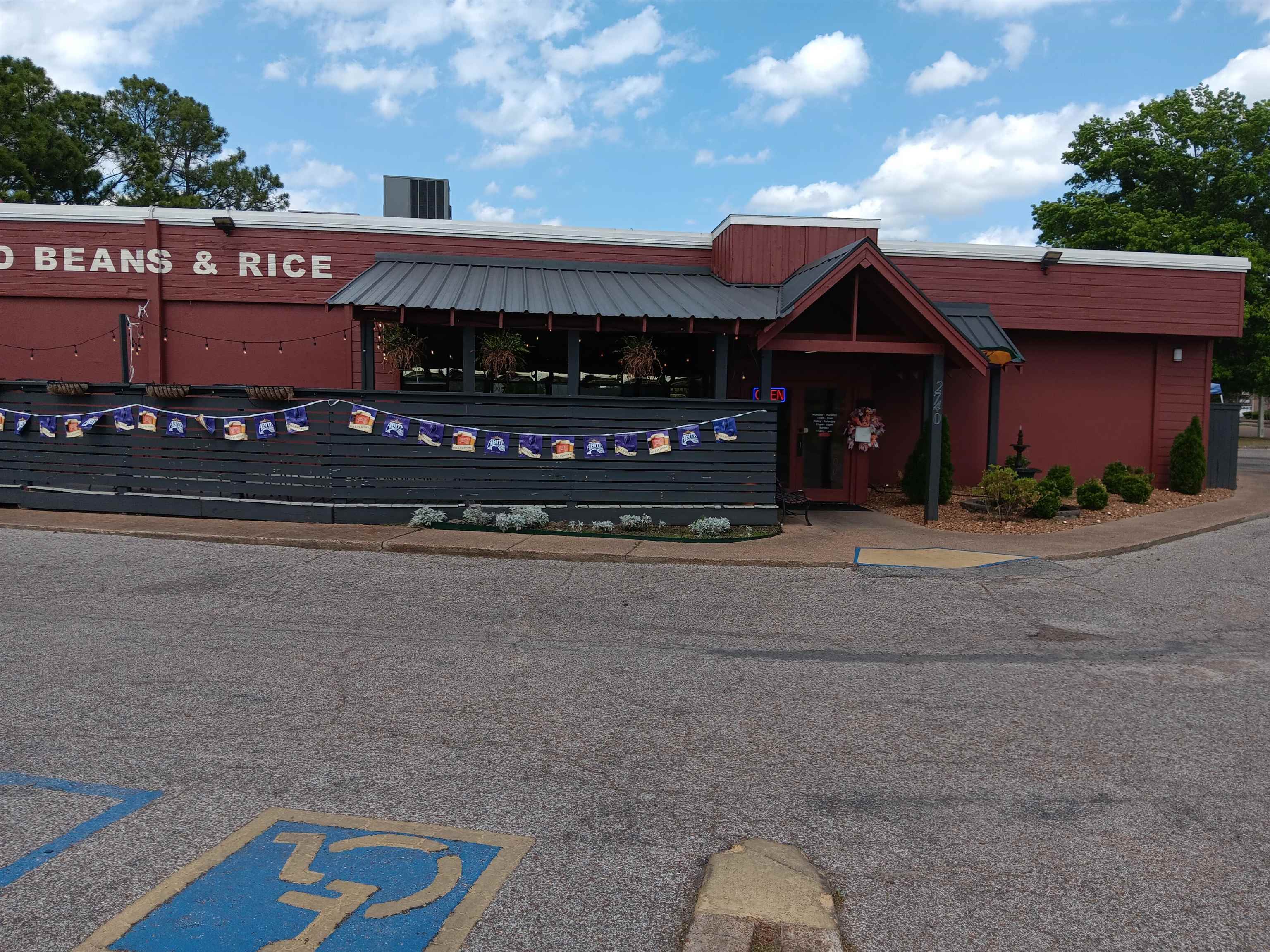
On dining, Bartlett earns its keep in the West Tennessee barbecue tradition — Fat Larry's Pepper & Smoked BBQ and Side Porch Steak House are long-standing local institutions rather than tourist stops. Beyond that, the mix runs toward family-owned Italian, Mexican, and Asian restaurants, regional comfort-food diners, and local bakeries clustered along Stage Road and Kirby Whitten Parkway, with neighborhood coffee shops and casual taverns filling in the gathering-spot role.
Bartlett's calendar is one of the more reliable signals of how the city actually functions socially. Most of it centers on W.J. Freeman Park and Bartlett Station.
The Bartlett Festival, BBQ Contest and Car Show in the fall is the marquee event — an MBN-sanctioned barbecue competition alongside live music, arts and crafts vendors, a classic car show, and the Judge Freeman Marr 5K. The Fireworks Extravaganza around the Fourth of July fills the Bobby K. Flaherty Municipal Center with live music, food trucks, and family activities before a fireworks display over Appling Lake.
Through the warmer months, the Bartlett Station Farmers Market runs weekly from late spring into early autumn with West Tennessee produce, honey, baked goods, and handmade crafts. The Children's Fishing Rodeo in June brings families to the stocked lake at the Appling Lake complex. And in December, the Bartlett Christmas Parade and Tree Lighting moves through Stage Road with school marching bands, civic floats, emergency vehicles, and Santa.
None of this is unusual for a suburb of Bartlett's size, but the consistency is the point. These are decades-old traditions with real local turnout, not manufactured events.
Bartlett's cost of living runs below the national average, and Tennessee's tax structure is a meaningful part of the math.
No state income tax. Tennessee doesn't tax earned wages or salary income, which is often the single largest financial factor for buyers relocating from higher-tax states.
Combined sales tax of 9.75% — 7.0% state, 2.25% Shelby County, and 0.5% Bartlett municipal. Retail goods carry a higher rate here than in many states, which partially offsets the income tax advantage.
Utilities benefit from municipal water provided by the City of Bartlett, which keeps costs competitive against surrounding unincorporated areas. Groceries, health services, and transportation track close to Mid-South regional averages.
Bartlett homeowners pay both a city and a county levy. Tennessee assesses residential property at 25% of appraised market value, which trips up a lot of out-of-state buyers reading rates in isolation.
Worked example on a $350,000 home:
That's an effective rate of roughly 1.09% of market value — a number worth running for any specific property before you commit to a monthly payment estimate.
Choosing a Memphis-area suburb usually comes down to which tradeoff you're most willing to make. Here's an honest read on Bartlett.
Bartlett tends to work well if:
You want a strong municipal school district without luxury-suburb pricing. Bartlett City Schools compete with the metro's best while median home prices sit roughly $200,000 below Germantown and Collierville norms.
You commute into Memphis or east along the I-40 industrial corridor. The city's central Shelby County position means Downtown, the Medical District, the airport, East Memphis, and BlueOval City are all reachable without crossing the metro.
You want an established neighborhood rather than a new-construction grid. Mature trees, real yards, and solid brick construction are Bartlett's default, not its premium tier.
You use parks and recreation facilities regularly. Twenty-plus municipal parks, a full indoor rec center, a performing arts venue, and Shelby Farms next door is an unusual amenity package for the price point.
Bartlett may not be the right fit if:
You want dense walkability. Outside Union Depot and Old Town, Bartlett is a driving city, and pretending otherwise does buyers no favors.
You're drawn to historic urban architecture or an active nightlife scene. Midtown bungalows, Cooper-Young, Overton Square, and Downtown Memphis serve that preference far better.
If Bartlett is on your list, the next step is seeing how these neighborhoods actually feel on a Tuesday evening rather than on paper. Mia Atkinson of eXp Realty ranks in the top 1% of agents in the Memphis region, is a Lifetime Member of the Multi-Million Dollar Club, and has earned Icon Status within her brokerage. She also hosts the Emmy-nominated, Telly Award-winning show American Dream, which profiles Memphis-area neighborhoods and the people and businesses that define them — so the local knowledge she brings to a Bartlett search comes from covering these communities directly, not from pulling comps.
Whether you're a first-time buyer trying to understand what $330,000 really buys in Bartlett, a seller weighing timing in the competitive $275,000 to $400,000 band, or a family relocating and comparing Bartlett against Lakeland, Arlington, or Germantown, Mia will give you a straight read on the tradeoffs. No pressure, just honest insight.
Mia Atkinson | eXp Realty
📞 901.316.6552
✉️ [email protected]
📍 3401 Mallory Ln Ste 100, Franklin, TN 37067
TN License #331722 | MS License #S57980
56,998 people live in Bartlett, where the median age is 41.8 and the average individual income is $41,963. Data provided by the U.S. Census Bureau.
Total Population
Median Age
Population Density Population Density This is the number of people per square mile in a neighborhood.
Average individual Income
There's plenty to do around Bartlett, including shopping, dining, nightlife, parks, and more. Data provided by Walk Score and Yelp.
Explore popular things to do in the area, including Kroger, Tiger Mart Exxon, and Tugwell Oil Co Inc-Exxon Products Distributors.
| Name | Category | Distance | Reviews |
Ratings by
Yelp
|
|---|---|---|---|---|
| Dining · $$ | 0.72 miles | 14 reviews | 2/5 stars | |
| Dining | 0.93 miles | 0 reviews | 0/5 stars | |
| Dining | 0.93 miles | 0 reviews | 0/5 stars | |
| Dining | 1.06 miles | 0 reviews | 0/5 stars | |
| Dining | 1.09 miles | 1 review | 2/5 stars | |
| Dining | 1.5 miles | 0 reviews | 0/5 stars | |
| Dining | 1.6 miles | 0 reviews | 0/5 stars | |
| Dining | 1.6 miles | 0 reviews | 0/5 stars | |
| Dining | 1.71 miles | 0 reviews | 0/5 stars | |
| Dining | 1.71 miles | 0 reviews | 0/5 stars | |
| Dining | 1.71 miles | 0 reviews | 0/5 stars | |
| Dining | 1.76 miles | 0 reviews | 0/5 stars | |
| Active | 0.83 miles | 0 reviews | 0/5 stars | |
| Beauty | 0.55 miles | 0 reviews | 0/5 stars | |
| Beauty | 1.6 miles | 0 reviews | 0/5 stars | |
| Beauty | 1.71 miles | 0 reviews | 0/5 stars | |
| Beauty | 1.71 miles | 0 reviews | 0/5 stars | |
| Beauty | 1.72 miles | 0 reviews | 0/5 stars | |
| Beauty | 1.79 miles | 0 reviews | 0/5 stars | |
| Beauty | 1.82 miles | 0 reviews | 0/5 stars | |
| Beauty | 1.85 miles | 0 reviews | 0/5 stars | |
| Beauty | 1.96 miles | 0 reviews | 0/5 stars | |
| Beauty | 1.96 miles | 0 reviews | 0/5 stars | |
|
|
||||
|
|
||||
|
|
||||
|
|
||||
|
|
||||
|
|
Bartlett has 20,143 households, with an average household size of 2.79. Data provided by the U.S. Census Bureau. Here’s what the people living in Bartlett do for work — and how long it takes them to get there. Data provided by the U.S. Census Bureau. 56,998 people call Bartlett home. The population density is 1,766 and the largest age group is Data provided by the U.S. Census Bureau.
Total Population
Population Density Population Density This is the number of people per square mile in a neighborhood.
Median Age
Men vs Women
Population by Age Group
0-9 Years
10-17 Years
18-24 Years
25-64 Years
65-74 Years
75+ Years
Education Level
Total Households
Average Household Size
Average individual Income
Households with Children
With Children:
Without Children:
Marital Status
Blue vs White Collar Workers
Blue Collar:
White Collar:
With extensive market knowledge and a passion for finding dream homes, Mia is dedicated to delivering personalized solutions to meet your unique needs. Trust a top-ranked Real Estate Agent in the Memphis Region to guide you seamlessly through the real estate journey.
Let Mia know how she can assist you.

MIA ATKINSON
BROKERAGE ADDRESS
3401 MALLORY LN STE 100
FRANKLIN TN 37067