Germantown sits about 15 miles east of Downtown Memphis and has quietly become one of the most desirable addresses in the entire Mid-South. While the city carries a Memphis-area zip code grouping (primarily 38138 and 38139), Germantown operates as its own municipality with its own school district, its own police and fire services, and its own architectural review standards. That independence is the reason Germantown looks and feels distinctly different from surrounding areas.
The city is compact, walkable in pockets, and famously protective of its tree canopy and aesthetic identity. You won't see neon signs, towering pylons, or strip-mall sprawl along the major thoroughfares. Instead, you'll find low-profile monument signage, manicured medians, and shopping centers tucked behind landscaped berms. Germantown was incorporated in 1841, and although it has grown into an affluent suburb with luxury estates and top-tier retail, the city has worked hard to preserve its small-town, equestrian heritage.
Germantown isn't a value play. Buyers come here for a specific combination of advantages that are nearly impossible to replicate elsewhere in the Memphis metro:
The Germantown Municipal School District (GMSD) is the single biggest draw. It consistently ranks among the top public school systems in Tennessee, and for most family buyers, this is the catalyst that ends the search. Crime rates are exceptionally low, the parks system is sprawling and well-funded, and the city's strict architectural and zoning codes protect long-term property values in a way that fast-growth suburbs simply can't match.
There's also a financial logic to buying here. Because Germantown has limited land for new construction and a robust commercial tax base from corridors like Saddle Creek and the medical district, residential property values tend to hold up well even when the broader market softens. Buyers often describe a Germantown purchase as "insulated"—a stable, long-term store of value rather than a speculative bet.
Add in a 22-minute average commute, immediate access to high-end shopping and dining, and a real cultural scene anchored by the Germantown Performing Arts Center, and the appeal becomes obvious: Germantown delivers a polished, quiet, family-oriented lifestyle without forcing you to give up urban access.
The Germantown market today is best described as a mature, high-demand suburb that has shifted into a more balanced position. It's no longer the frenzied seller's market of a few years ago, but it remains a place where well-prepared homes move quickly and command premium pricing.
Median list prices currently sit between $510,000 and $525,000, while median sold prices land between $452,000 and $480,000. That gap is meaningful: it tells you that sellers are still reaching for aspirational pricing, but buyers are negotiating. The sale-to-list price ratio hovers around 97.4% to 98%, meaning the typical Germantown home is closing roughly 2% below its original asking price.
Active inventory is healthy at around 250 to 300 homes for sale at any given time, and average days on market has stretched to about 35 to 42 days. But that city-wide average masks a sharp divide. Fully updated, "turnkey" homes—those with renovated kitchens, neutral paint, new mechanicals, and modern bathrooms—are still going pending in under 11 days. Dated homes, even structurally sound ones, are sitting longer as buyers factor renovation costs into their offers.
The luxury threshold in the 38139 ZIP code begins at $1,000,000, and that tier has its own dynamic. High-end buyers in Germantown are largely insulated from mortgage rate volatility, so seven-figure homes with features like chef's sculleries, multi-acre lots, and resort-style outdoor living continue to trade steadily.
Pricing in Germantown is best understood by neighborhood rather than as a single citywide number. The average price per square foot ranges from roughly $164 to $173, but that baseline shifts significantly depending on which pocket you're shopping in.
Entry-level Germantown lives in the $380,000 to $430,000 range, and you'll find it in subdivisions like English Meadows and Poplar Estates. These are the most competitive segments of the market because they represent the lowest financial barrier to entry into GMSD. Mid-tier neighborhoods like Neshoba North and the areas around Farmington Elementary typically run $450,000 to $650,000, offering larger square footage and more mature lot lines.
The luxury tier begins around $800,000 and runs well past $1.5 million in enclaves like River Edge and the custom cul-de-sacs of 38139. Homes at this level frequently feature acreage, gated entries, equestrian easements, and architectural pedigree that justify the premium.
One thing to keep in mind: looking at active list prices in your target neighborhood will mislead you. Anchor your expectations to closed sales from the last 90 days—that's the only number that reflects what buyers and appraisers are actually validating.
Germantown's housing stock reflects decades of intentional, restrained development rather than rapid builder sprawl. Four distinct categories define what's on the market.
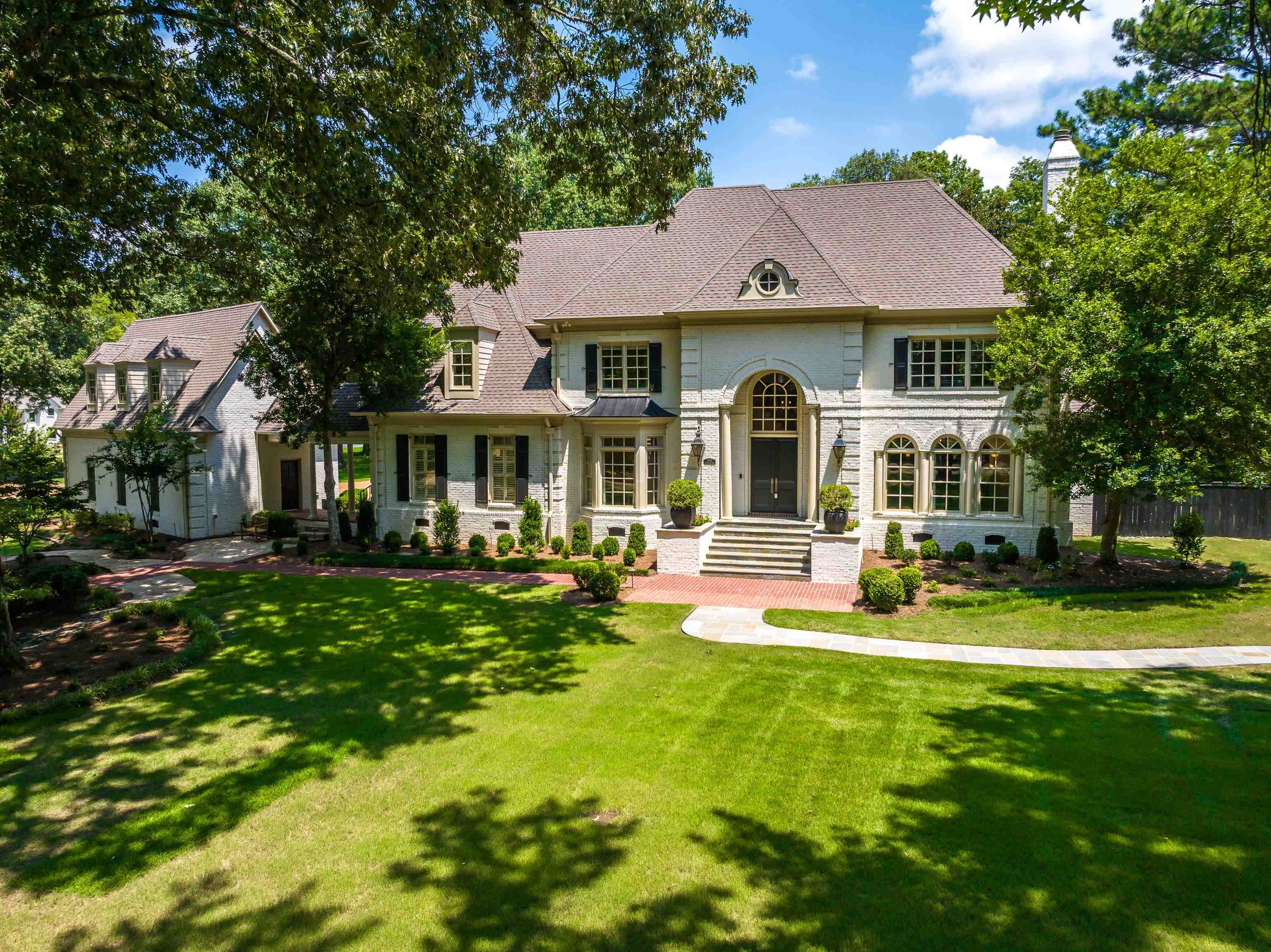
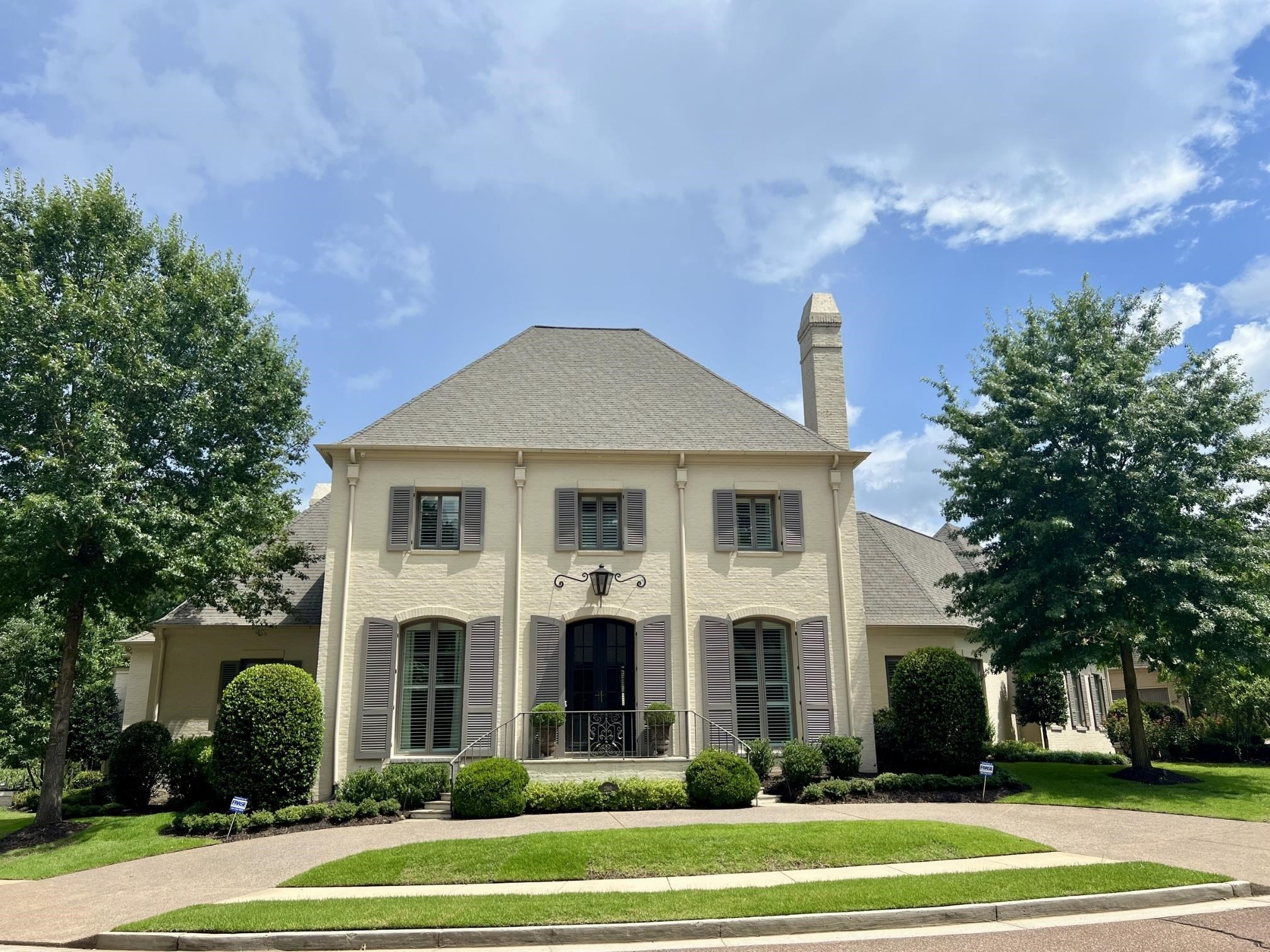
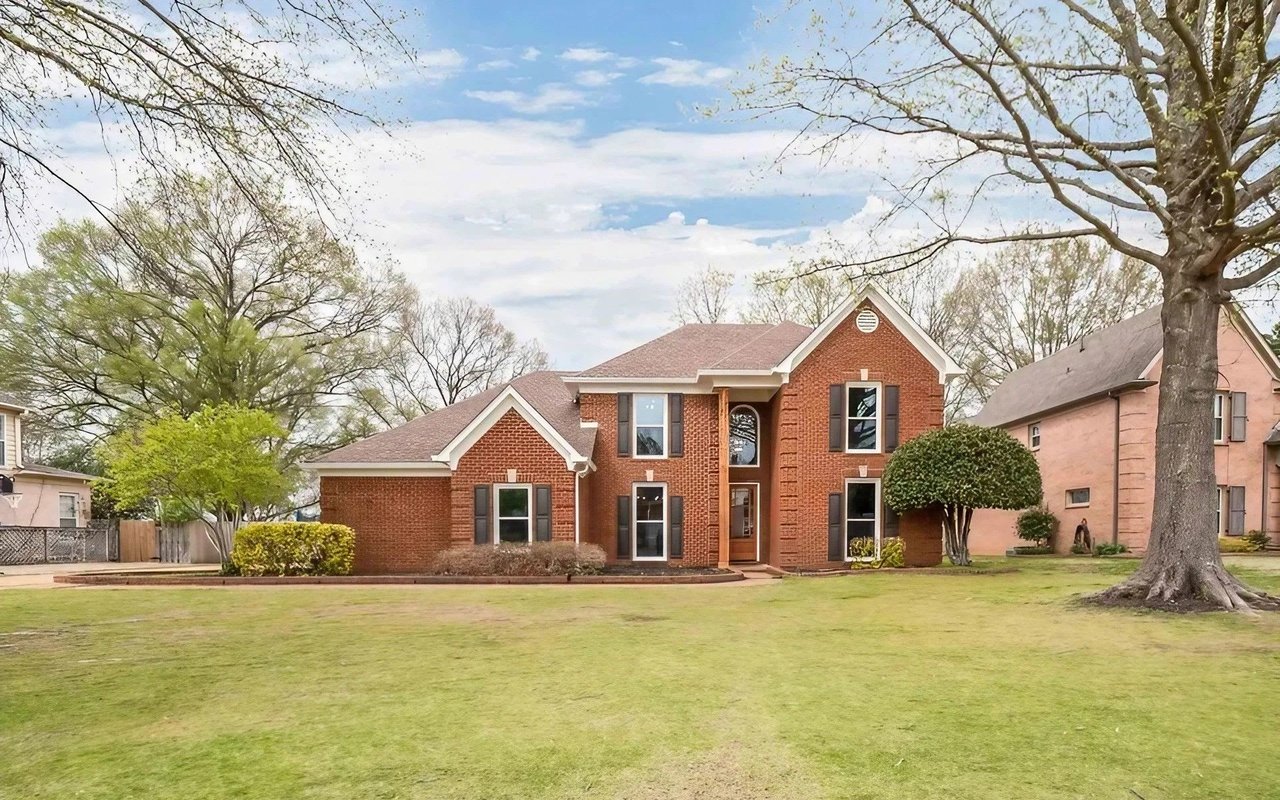
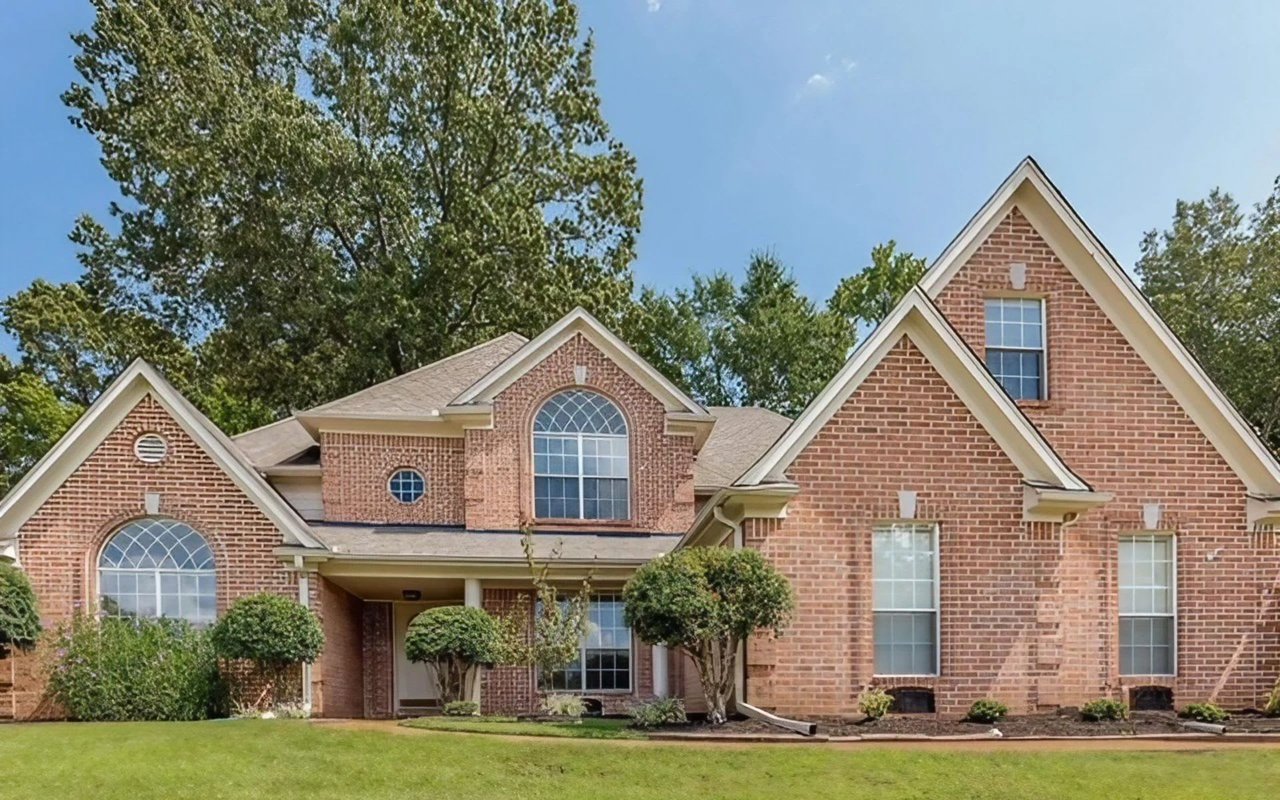
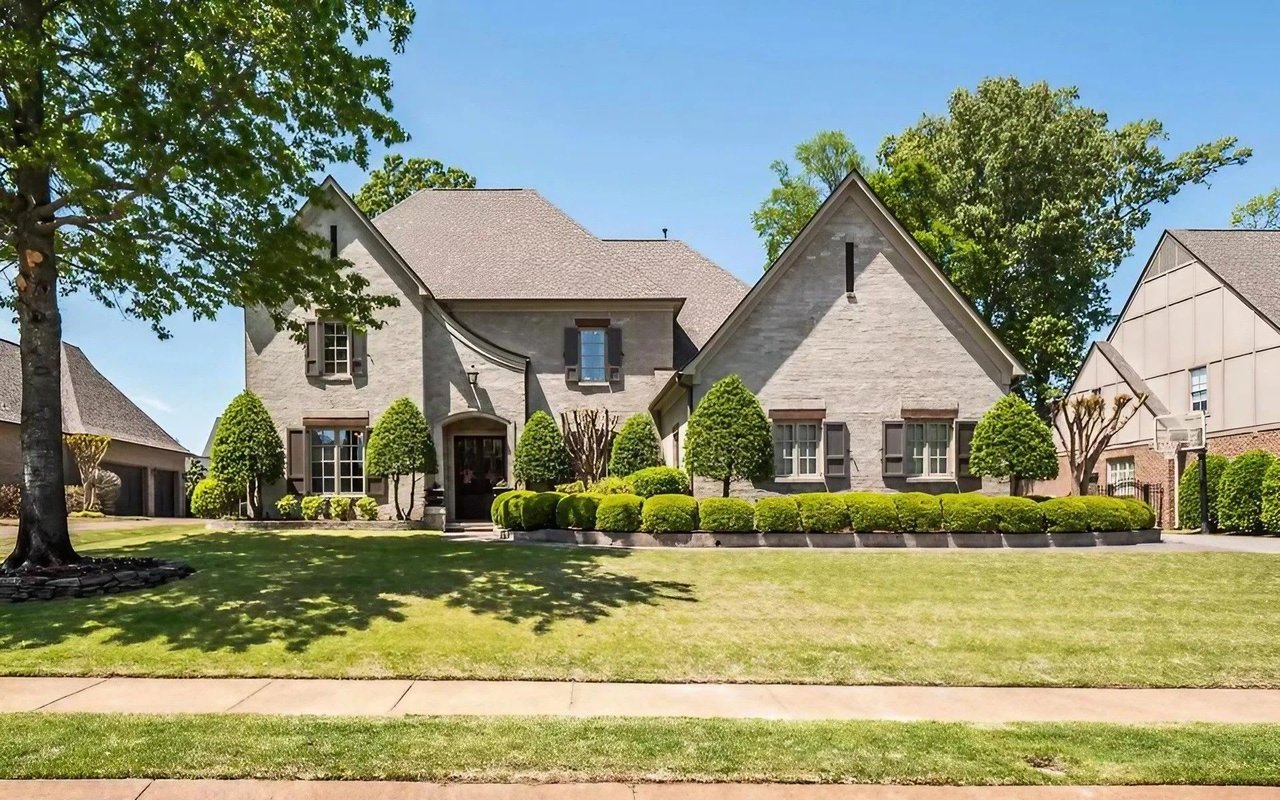
Traditional Brick Colonials and Two-Story Neoclassicals are the quintessential Germantown home—heavy brick construction, formal dining and living rooms, side-load garages, and 4 to 5 bedrooms on established, tree-lined streets. Most were built between the late 1970s and the 1990s, and they remain the workhorse of the family-buyer market.
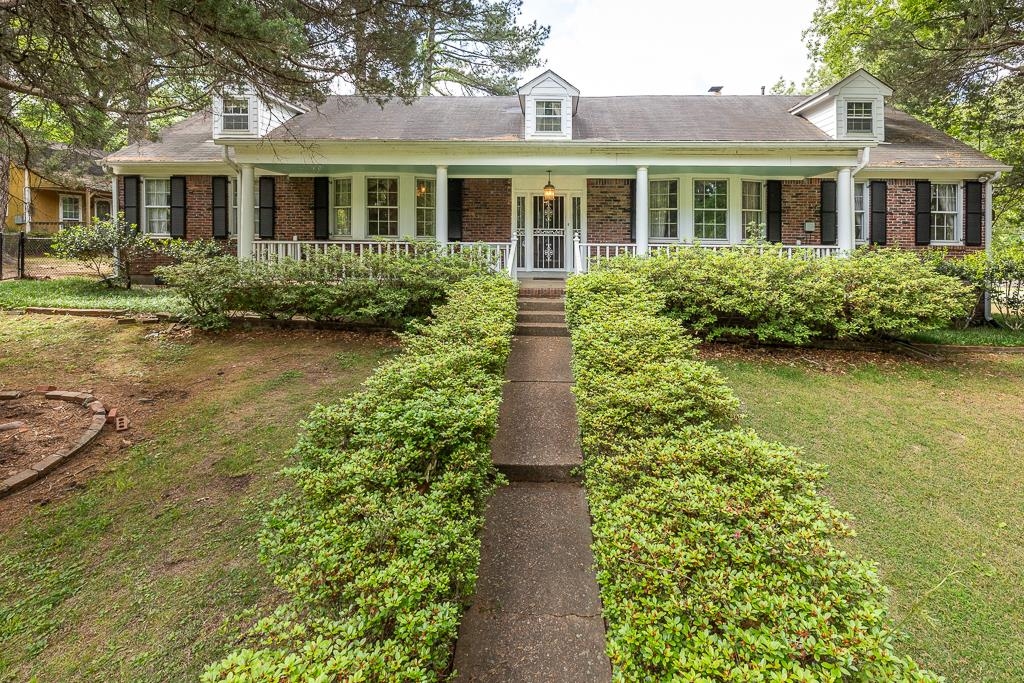
Mid-Century and California Ranches populate the older western pockets closer to the Memphis border. Built largely in the 1960s and 70s, these homes sit on heavily wooded lots and offer wide single-story footprints. They're prized by design enthusiasts and renovators who recognize that this kind of land and bone structure is nearly impossible to recreate today.
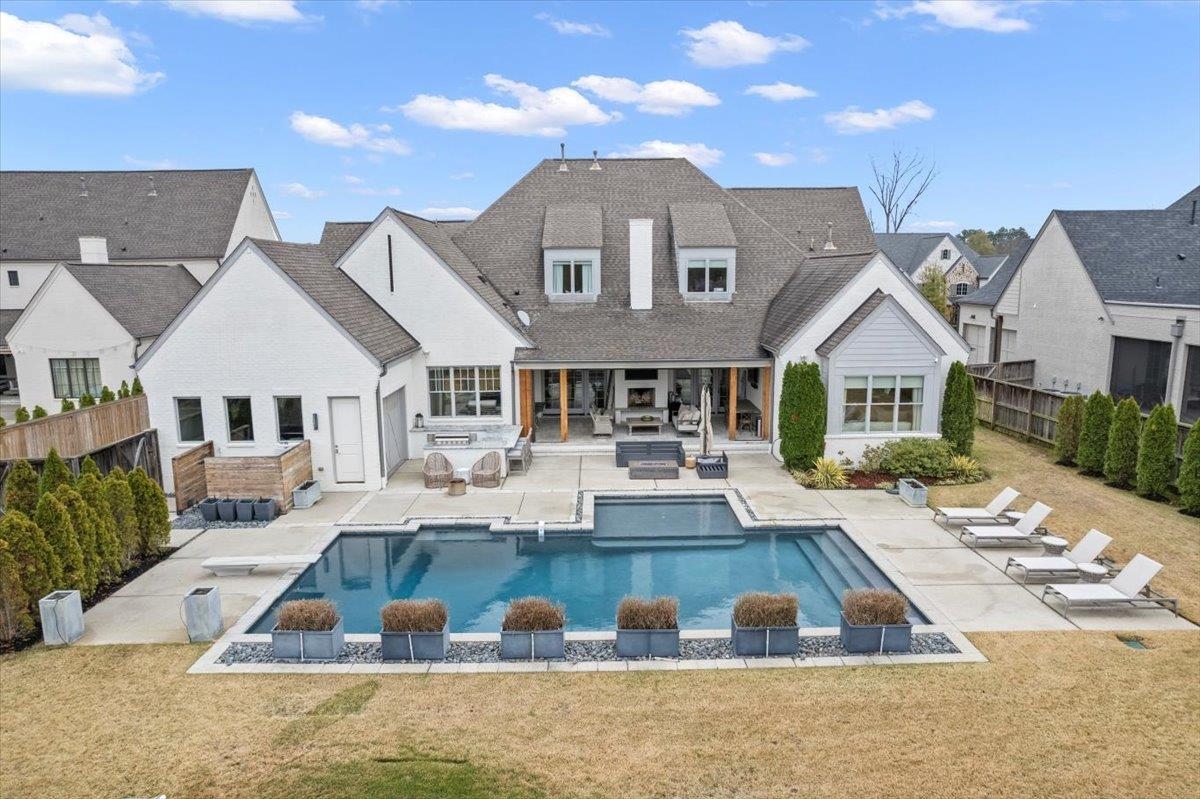
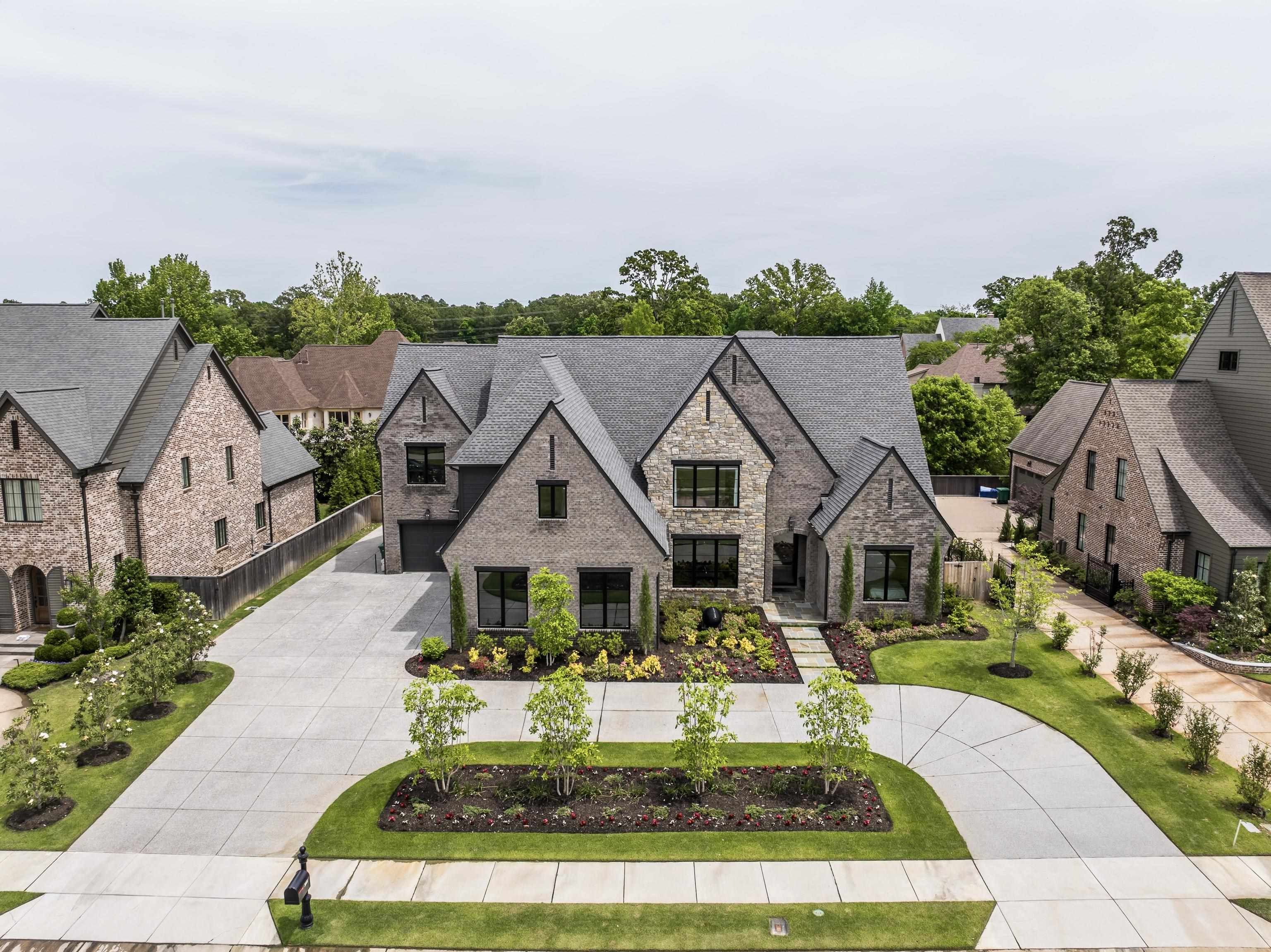
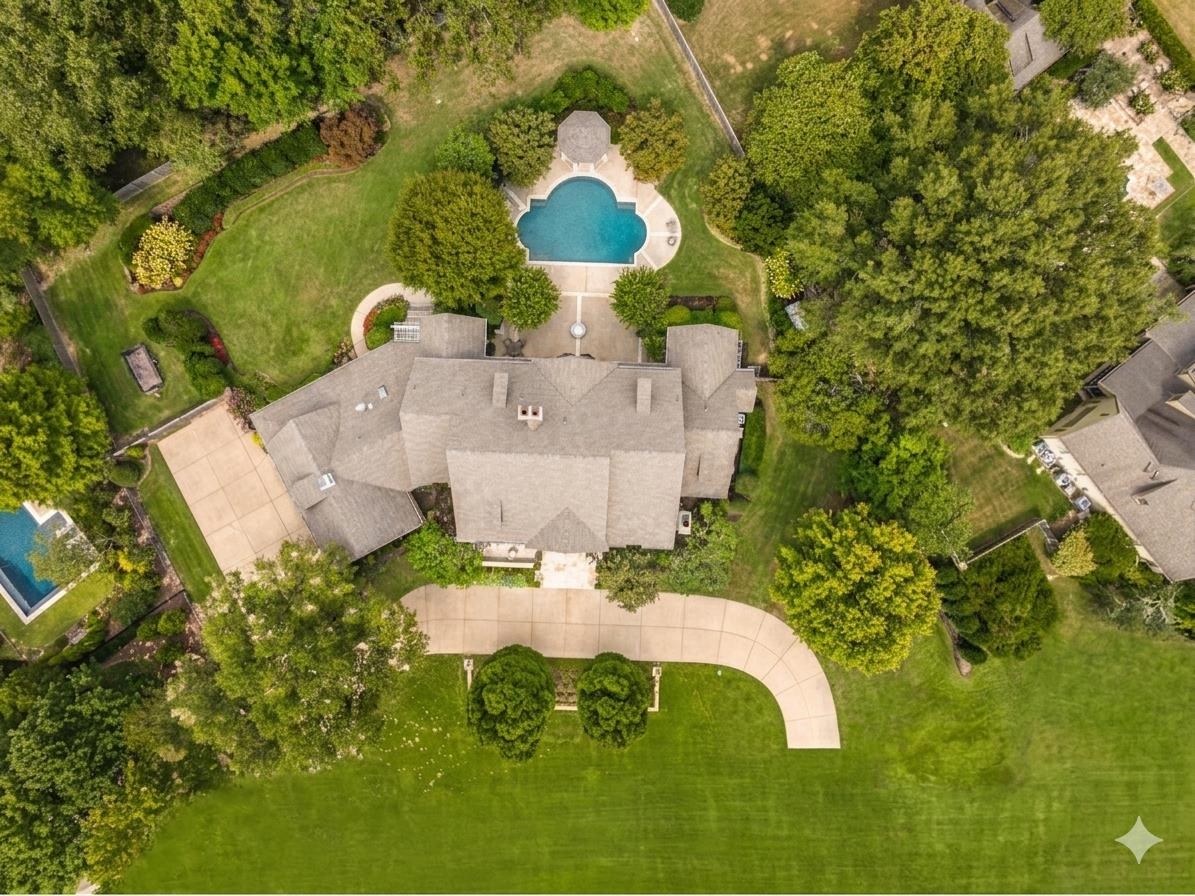
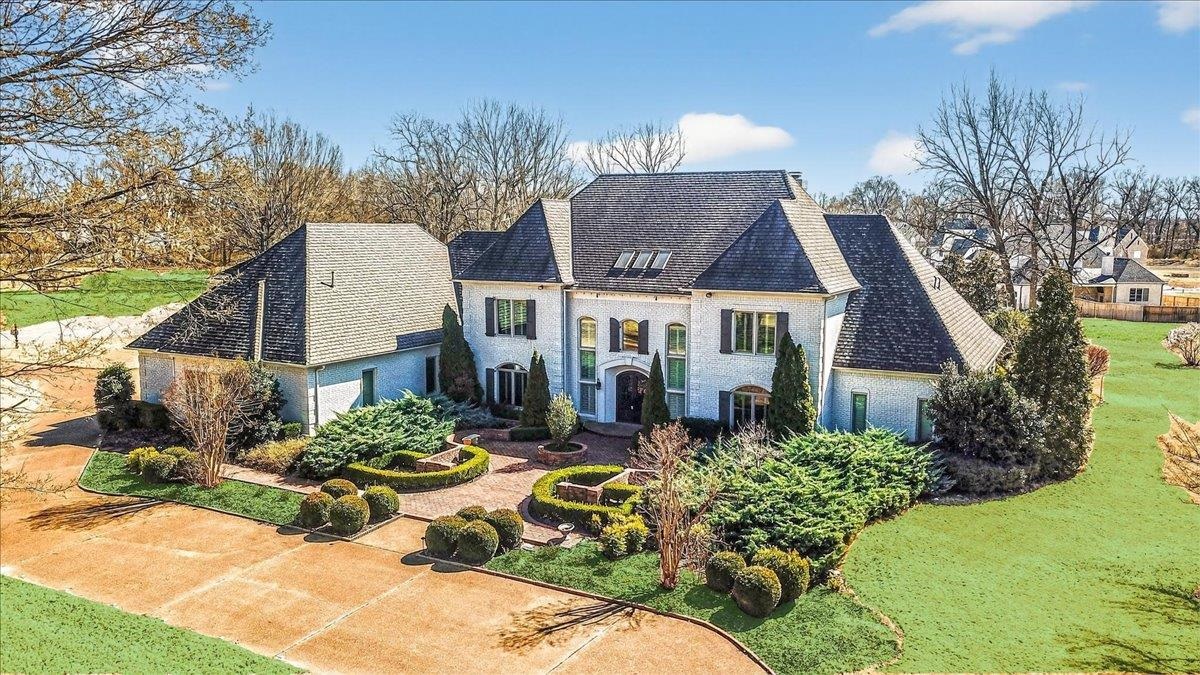
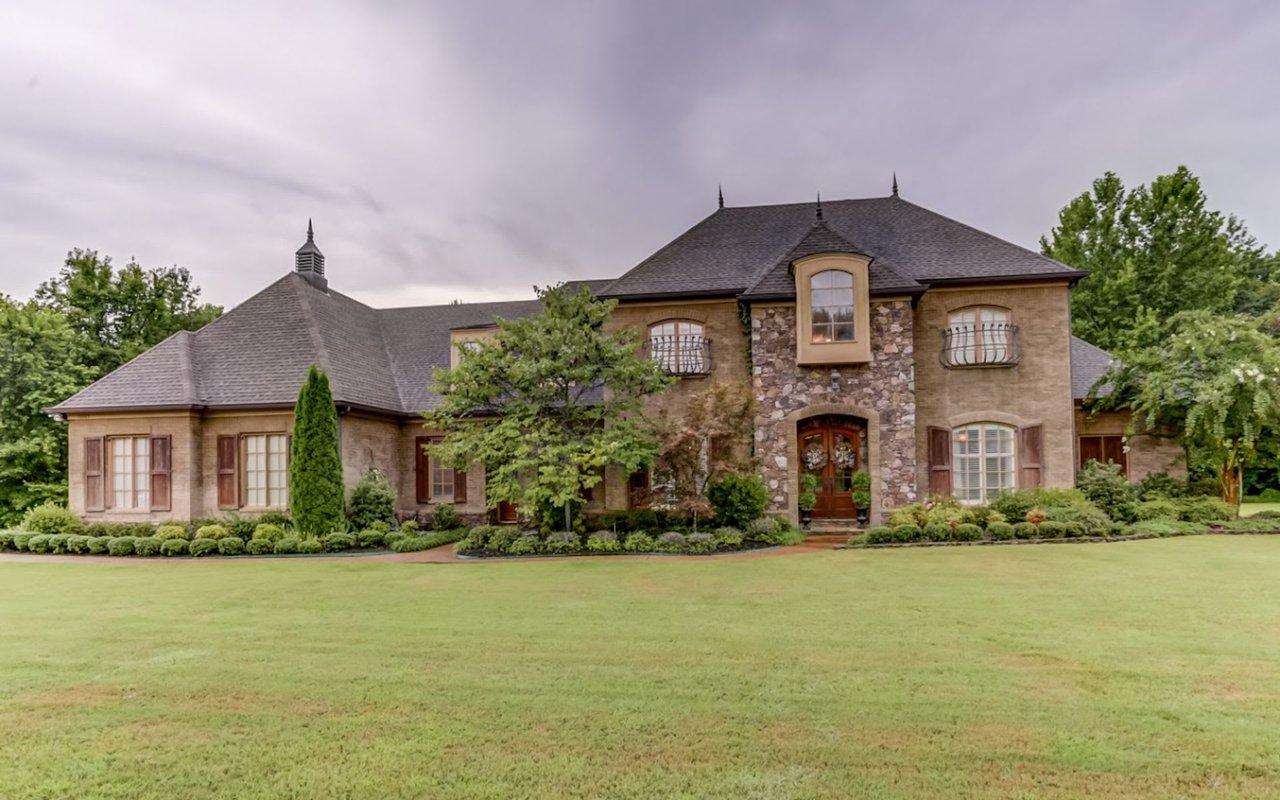
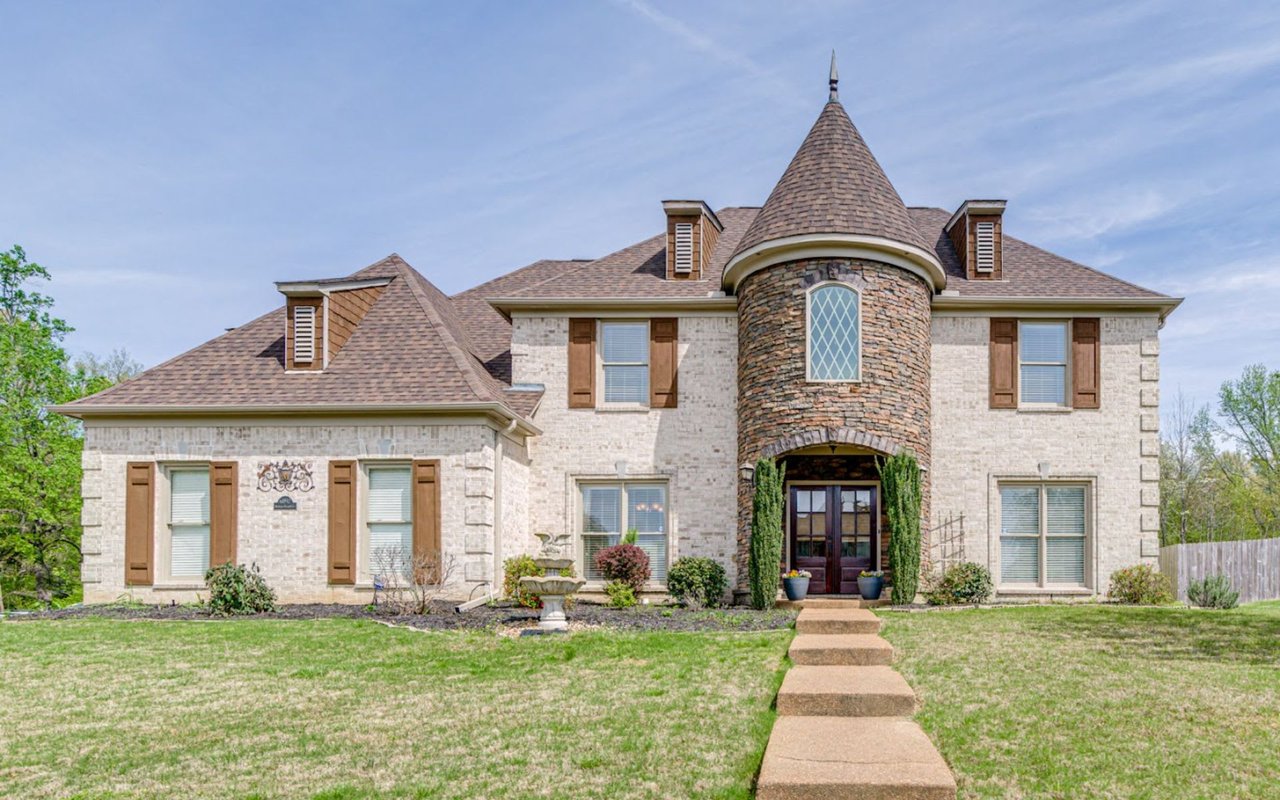
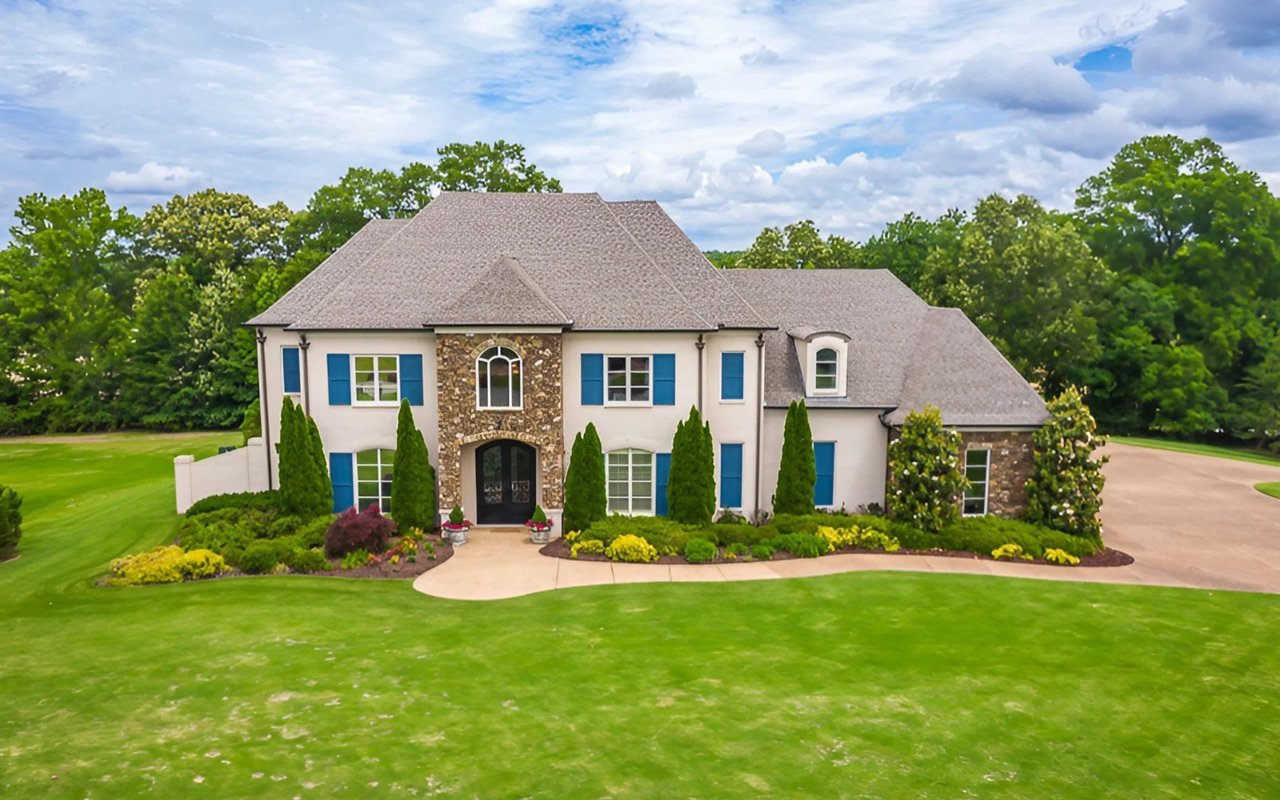
Modern Luxury Custom Estates dominate the eastern edges, particularly throughout the 38139 ZIP code. These homes cross the $1 million threshold and range stylistically from French Provincial and English Tudor to Transitional Modern. Expect chef's kitchens with sculleries, multi-car detached garages, heated pools, and outdoor kitchens designed for entertaining.
Zero-Lot-Line Homes and Upscale Townhomes serve the empty-nester market. These properties offer high-end interior finishes, main-floor primary suites, and community-managed landscaping for buyers who want to stay in Germantown without the demands of a large yard.
This is the part of the Germantown story that most buyers underestimate. Tennessee has no state income tax, which means local property taxes carry a heavy load—but Germantown's structure is genuinely advantageous.
Germantown's city tax rate is $1.13 per $100 of assessed value, and the Shelby County rate adds another $2.73, bringing the combined rate to $3.86. Residential property is assessed at 25% of appraised market value, so the math on a $500,000 home looks like this: $125,000 assessed value × 3.86% / 100 = roughly $4,825 per year.
Compared to neighbors, that's a meaningful gap:
Municipality | Combined Tax Rate |
|---|---|
Germantown | $3.86 |
Collierville | $4.21 |
Memphis | $5.90 |
Unincorporated Shelby County | $2.73 |
The takeaway is simple. A homeowner in Memphis pays nearly $2.00 more per $100 of assessed value than a homeowner in Germantown. On a $500,000 home, that's thousands of dollars saved every year—while still getting access to one of the state's best school districts, well-maintained infrastructure, and exceptional municipal services. Germantown's commercial tax base, anchored by Saddle Creek and the medical corridor, is what makes this math work.
Selling here is a different exercise than selling in most suburbs because Germantown buyers are highly analytical and well-resourced. They've usually toured a dozen comparable homes before they walk into yours, and they know exactly what renovations cost.
The most important reality to internalize: roughly 73% of Germantown homes close below their original list price. Expecting a sight-unseen bidding war is a fast way to watch your listing go stale. The current sale-to-list ratio of 98% means buyers are negotiating, and they're often asking for closing cost concessions in addition to price reductions.
Velocity in this market is almost entirely determined by condition. Turnkey homes—with updated kitchens and baths, a roof under 10 years old, and neutral paint—frequently go pending in under 11 days. Dated homes, even those that are structurally pristine, push the average days-on-market closer to 42 days as buyers price in their projected renovation costs.
If you're preparing to list, focus on the high-ROI moves rather than custom renovations: a pre-inspection with documented HVAC service records, a certified pool inspection if applicable, and an updated electrical panel will eliminate friction during the contingency period. Curb appeal matters here more than almost anywhere—fresh mulch, pressure-washed brick, and pruned trees signal "well-maintained" before a buyer even opens the door. And because so many Germantown floor plans are still traditional and formal, professional staging genuinely helps modern buyers visualize how to use the spaces.
Pricing strategy in Germantown rewards precision over ambition. Three principles consistently produce the best outcomes.
First, establish your micro-market baseline. Don't price off citywide square-foot averages. Pull closed sales from the last 90 days within your specific subdivision or a one-mile radius, and pay close attention to school zoning—homes feeding into the most sought-after GMSD schools command a premium over otherwise identical homes a few streets away.
Second, run an honest turnkey-versus-dated assessment. If your home is fully updated, you can price at the top of your neighborhood's range and reasonably expect it to go pending within two weeks. If it's structurally sound but cosmetically dated, you have to bake in a renovation discount up front. Overpricing a dated home is the single most common mistake sellers make in Germantown, and it almost always leads to a public price drop that erodes your negotiating leverage.
Third, use psychological bracket pricing. Buyers set hard search filters at round numbers—$450K, $500K, $1M. If your competitive analysis lands you at $503,000, listing at $499,900 captures the entire pool of buyers capping at $500K. That single decision can be the difference between a slow listing and multiple offers.
One of Germantown's most underrated advantages is geography. The average commute for a Germantown resident is 22.1 minutes, which is genuinely competitive compared to most affluent suburbs in major metros.
Driving west into East Memphis along the Poplar corridor takes 10 to 15 minutes, with the only real friction point being the Poplar and Ridgeway intersection between 7:45 and 8:15 AM. Downtown Memphis and the medical district run 22 to 35 minutes depending on whether you're hitting peak rush hour, with most commuters using Poplar or Walnut Grove to access the I-240 loop and then I-40. FedEx World Headquarters in Collierville is a 10 to 15 minute reverse commute via Winchester, Poplar, or TN-385. And Memphis International Airport is just 15 to 20 minutes away via Winchester or I-240 South, which makes life noticeably easier for frequent business travelers.
A practical tip for north Germantown residents: when traffic backs up on Poplar, Walnut Grove Road is almost always the faster east-west alternative for getting deeper into Memphis.
The Germantown Municipal School District (GMSD) is the gravitational center of the local real estate market. It consistently ranks among Tennessee's top public school systems and drives buyer demand in a way few amenities can.
Houston High School (grades 9–12) is the district's flagship, known for an exceptionally high graduation rate, a deep Advanced Placement catalog, and a competitive athletics program. Houston Middle School feeds directly into it and focuses heavily on preparing students for advanced high school tracks. Riverdale operates as a K–8 campus, which is a rare and sought-after model that allows for a seamless transition through the elementary and middle school years on a single property. Farmington Elementary and Dogwood Elementary are both highly regarded anchors of the district, with strong parental involvement, excellent foundational academics, and integrated arts programming.
One critical note for buyers: not every home with a Germantown mailing address is zoned for GMSD. A handful of pockets fall under the larger Memphis-Shelby County Schools (MSCS) system. If school placement is your top priority, always verify the specific zoning map for any address before writing an offer—this is one of the most common sources of buyer disappointment in this market.
Germantown is a certified Tree City USA, and the city treats green space the way other municipalities treat roads—as essential infrastructure. The result is a parks system that's genuinely woven into daily life, with most neighborhoods within walking distance of a public park or trail.
The Germantown Greenway is the crown jewel: an ongoing, multi-phase paved trail system that connects residential neighborhoods to the scenic Wolf River nature corridor along the city's northern edge. Cameron Brown Park is the active-use hub, with lighted ball fields, a large playground, and a stocked fishing lake that serves as ground zero for youth sports leagues. Riverdale Park sits adjacent to Riverdale School and features extensive soccer fields, tennis courts, and one of the most popular playgrounds in the city. Bobby Lanier Farm Park is more unusual—a 10-acre working farm in the middle of the city with community gardens, a seasonal farmers market, and educational programming. Municipal Park near City Hall is the quieter option, shaded and historical, anchored by the Germantown Train Depot Museum.
Because the city restricts commercial development along the Wolf River corridor, that northern edge has been preserved as a wildlife sanctuary—kayaking, trail running, and road cycling are accessible from neighborhood doorsteps in a way that's genuinely rare for affluent suburbs.
Germantown takes a deliberately different approach to retail. The city avoids generic strip-mall development and instead concentrates upscale shopping into curated lifestyle centers.
The Shops of Saddle Creek, at Poplar and Farmington, is the centerpiece. It's an open-air center with more than 40 brands, including Apple, Sephora, lululemon, Madewell, Anthropologie, Free People, Athleta, Vineyard Vines, and Tecovas. For most residents in the broader Memphis area, Saddle Creek is the default destination for premium retail.
The dining scene leans toward elevated casual and specialty concepts rather than chain restaurants. Stoney River Legendary Steaks anchors the upscale night-out category. City Silo Table + Pantry has become a local institution for vegetable-forward bowls and cold-pressed juices. Local Lime draws crowds for California-Mexican coastal fare and craft margaritas, and the city is dotted with strong sushi and Mediterranean options. For weekend mornings, Rise Southern Biscuits & Righteous Chicken and a handful of local bakeries cover the Southern comfort side of the equation.
Germantown's cultural scene is more substantial than most people expect from a suburb of its size, and it means you don't have to drive into Downtown Memphis to access serious arts programming.
The Germantown Performing Arts Center (GPAC) is the anchor. Its 854-seat indoor concert hall is acoustically excellent and draws over 100,000 visitors annually for a year-round lineup of jazz, classical, blues, contemporary, comedy, and international dance. The Grove at GPAC, the outdoor venue on the same campus, accommodates about 900 guests in a park-like setting and hosts the Concerts in The Grove series, food truck festivals, and Happy Friday events through the spring and summer. The smaller Watkins Studio Theater rounds out the campus with experimental productions and masterclasses.
Beyond GPAC, the Germantown Symphony Orchestra delivers seasonal concerts and holiday programming, and the Train Depot Museum preserves the city's 19th-century rail history near Municipal Park for residents interested in how Germantown evolved from a rural train stop into one of Tennessee's wealthiest municipalities.
Germantown's physical character—the thing you notice the moment you drive in from Memphis—is its tree canopy. The city has held the Tree City USA designation from the National Arbor Day Foundation for over 25 consecutive years, and the canopy isn't an accident. It's the product of decades of ordinance enforcement and aesthetic discipline.
The city's tree preservation laws require mitigation when mature trees are removed during construction, typically through the planting of native species like White Oaks, Bald Cypresses, and Sugar Maples. Because most Germantown neighborhoods were developed between the 1970s and 1990s, those original plantings have matured into the full-canopy oak and elm streets that define the city today. The practical benefit is meaningful: shaded streets, lower summer cooling costs, and an instant visual sense of permanence that newer subdivisions can't replicate.
The same discipline extends to commercial development. Every commercial building, parking lot, and retail center has to pass the city's Design Review Commission. Parking lots are screened with dense holly, berms, and brick walls so they're invisible from primary roads. Signage is restricted to low-profile monument-style markers surrounded by landscaped beds. The visual cohesion of Poplar Avenue is the direct result of these standards being enforced for decades without exception.
Germantown has evolved into a polished suburb, but it has never let go of its identity as a horse community—and that heritage is woven into both the culture and the physical layout of the city in ways that surprise most buyers.
The Germantown Charity Horse Show is the centerpiece. Founded in 1948, it's one of the oldest and most prestigious all-breed horse shows in the United States—a designated United States Equestrian Federation (USEF) Heritage Competition, an honor reserved for only a handful of shows nationwide. Every June, the week-long event at the Sonny Foster Arena brings world-class riders and trainers to the city, and the evening Grand Prix events function as one of the most significant social milestones on the local calendar, with proceeds benefiting the Exchange Club Family Center and other local charities.
The equestrian footprint also shows up in how parts of the city were physically built. Several luxury subdivisions in the 38139 ZIP code, including The Meadows, were intentionally designed with dedicated equestrian easements—winding, wooded horse trails running behind property lines that allow residents to ride safely through their own neighborhoods. The horse is also the official symbol of the city, and you'll find life-sized fiberglass horse sculptures—part of a long-running public art initiative—outside parks, schools, and shopping centers throughout Germantown. Even Houston High School's mustang mascot is a nod to that history.
If you're considering buying or selling in Germantown, working with an agent who lives in the community and knows it street by street makes a measurable difference. Mia Atkinson of eXp Realty is ranked in the top 1% of real estate agents in the Memphis region, a Lifetime Member of the Multi-Million Dollar Club, an Icon Status award recipient within her brokerage, and has been featured on the cover of Top Producer magazine. Mia also hosts the Emmy-nominated, Telly Award-winning show American Dream, where she highlights the lifestyle and neighborhoods of Memphis and its surrounding communities—including Germantown, where she and her family live.
Mia takes a customized, communication-first approach to every client relationship, whether you're a first-time buyer trying to break into the GMSD school district or an established family searching for a luxury estate in 38139. To schedule a Germantown neighborhood consultation, request a home valuation, or start your home search, reach out directly:
Mia Atkinson | eXp Realty 📞 901.316.6552 ✉️ [email protected] 🏢 3401 Mallory Ln Ste 100, Franklin, TN 37067 License #TN 331722 | MS S57980
16,298 people live in Germantown, where the median age is 44.5 and the average individual income is $82,478. Data provided by the U.S. Census Bureau.
Total Population
Median Age
Population Density Population Density This is the number of people per square mile in a neighborhood.
Average individual Income
There's plenty to do around Germantown, including shopping, dining, nightlife, parks, and more. Data provided by Walk Score and Yelp.
Explore popular things to do in the area, including Exxonmobil, Exxon, and The Memphis Review.
| Name | Category | Distance | Reviews |
Ratings by
Yelp
|
|---|---|---|---|---|
| Dining | 1.22 miles | 0 reviews | 0/5 stars | |
| Dining | 1.22 miles | 0 reviews | 0/5 stars | |
| Shopping | 0.25 miles | 0 reviews | 0/5 stars | |
| Shopping | 1 miles | 0 reviews | 0/5 stars | |
| Shopping | 1.28 miles | 0 reviews | 0/5 stars | |
| Active | 1.33 miles | 0 reviews | 0/5 stars | |
| Beauty | 1.44 miles | 0 reviews | 0/5 stars | |
| Beauty | 1.54 miles | 0 reviews | 0/5 stars | |
| Beauty | 1.73 miles | 0 reviews | 0/5 stars | |
|
|
||||
|
|
||||
|
|
||||
|
|
||||
|
|
||||
|
|
Germantown has 5,780 households, with an average household size of 2.82. Data provided by the U.S. Census Bureau. Here’s what the people living in Germantown do for work — and how long it takes them to get there. Data provided by the U.S. Census Bureau. 16,298 people call Germantown home. The population density is 1,872 and the largest age group is Data provided by the U.S. Census Bureau.
Total Population
Population Density Population Density This is the number of people per square mile in a neighborhood.
Median Age
Men vs Women
Population by Age Group
0-9 Years
10-17 Years
18-24 Years
25-64 Years
65-74 Years
75+ Years
Education Level
Total Households
Average Household Size
Average individual Income
Households with Children
With Children:
Without Children:
Marital Status
Blue vs White Collar Workers
Blue Collar:
White Collar:
With extensive market knowledge and a passion for finding dream homes, Mia is dedicated to delivering personalized solutions to meet your unique needs. Trust a top-ranked Real Estate Agent in the Memphis Region to guide you seamlessly through the real estate journey.
Let Mia know how she can assist you.

MIA ATKINSON
BROKERAGE ADDRESS
3401 MALLORY LN STE 100
FRANKLIN TN 37067